
Standing in the hardware store aisle, staring at rows of sprays, traps, and baits, many homeowners face the same dilemma: tackle that pest problem alone or call in the experts? Both paths have their place, and the right choice depends on your specific situation, the pests you're dealing with, and how much time and risk you're willing to take on. Let's break down what you need to know to make the smartest decision for your home and family.
DIY Pest Control: What Works and What Doesn't
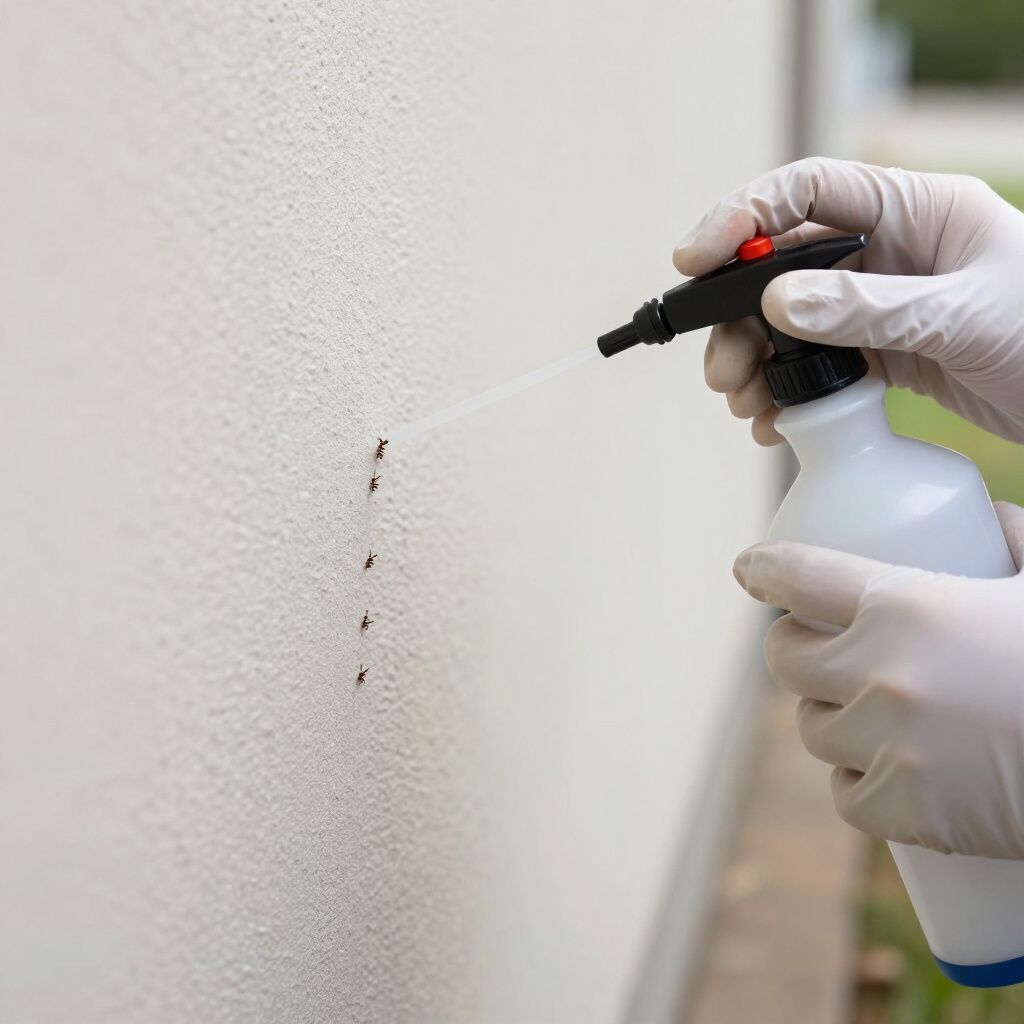
Taking the do-it-yourself route can feel empowering and budget-friendly. For minor, straightforward problems, DIY methods often deliver solid results. A single ant trail marching across your kitchen counter, the occasional spider in the basement, or a few fruit flies hovering near your compost bin—these are scenarios where store-bought solutions and simple prevention tactics typically suffice.
Effective DIY pest control starts with accurate identification. You need to know what you're dealing with before selecting a product. Misidentification leads to wasted money and prolonged infestations. Once identified, focus on integrated approaches: eliminate food sources, seal entry points, reduce moisture, and then apply targeted treatments. Sticky traps for monitoring, boric acid for certain crawling insects, and properly placed snap traps for mice can all work when used correctly.
However, DIY pest control has clear limitations. Over-the-counter products contain lower concentrations of active ingredients compared to professional-grade treatments. This means less residual protection and often incomplete elimination of established infestations. Many homeowners also underestimate the scope of their problem—what appears on the surface rarely tells the whole story. Carpenter ants nesting inside wall voids, termites silently tunneling through structural wood, or bed bugs hiding in mattress seams and electrical outlets require far more than surface spraying.
Safety presents another concern. Pesticides applied improperly can endanger children, pets, and beneficial wildlife. Misuse also contributes to pesticide resistance, making future control increasingly difficult. Without proper training, you might expose yourself to unnecessary chemical risks or deploy methods that simply drive pests deeper into hiding.
Hiring a Professional: When Expertise Makes the Difference
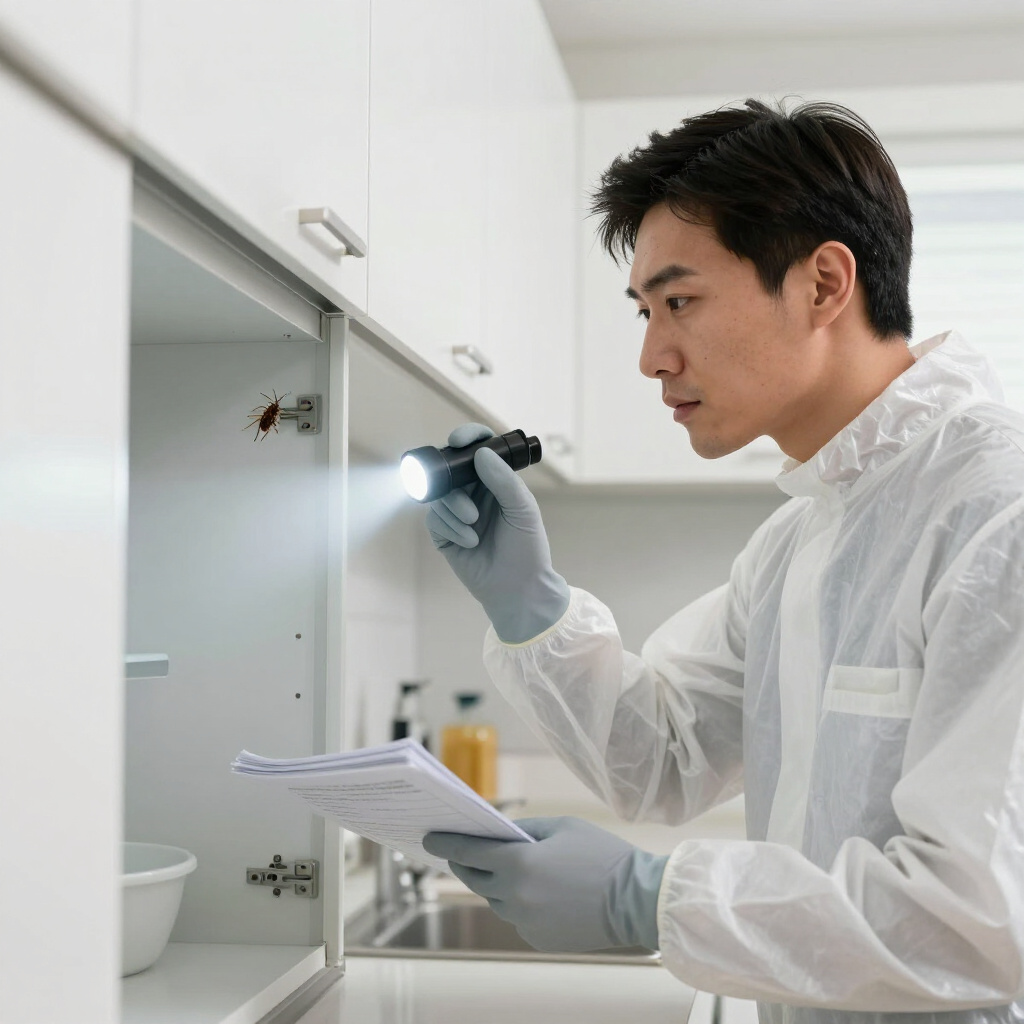
Professional pest control brings specialized knowledge, commercial-grade tools, and comprehensive strategies that DIY approaches cannot replicate. Trained technicians understand pest biology, behavior patterns, and the most effective treatment protocols for each species. They know where to look, what signs indicate the true extent of infestation, and how to target treatments for maximum impact with minimal environmental disruption.
Certain situations strongly favor professional intervention. Termite infestations demand immediate expert attention—these insects cause billions in property damage annually, and most homeowner insurance policies exclude termite coverage. Bed bug eradication requires multi-faceted approaches combining heat treatment, targeted insecticide application, and thorough follow-up monitoring. Rodent problems often involve exclusion work, sanitation recommendations, and strategic trapping programs that extend well beyond setting a few snap traps.
Professionals also carry liability insurance and offer service guarantees. If initial treatments don't resolve the problem, reputable companies return at no additional charge. They stay current on regulatory changes, emerging pest threats, and evolving control technologies. Many now emphasize integrated pest management (IPM)—an approach prioritizing prevention, monitoring, and least-toxic interventions before resorting to chemical treatments.
The investment in professional service typically costs more upfront but frequently saves money long-term. Consider the expense of repeated DIY attempts, replacement of damaged belongings, structural repairs from unchecked infestations, and potential health costs from pest-borne diseases or allergic reactions. Factor in your time as well—researching solutions, purchasing products, applying treatments, and monitoring results adds up quickly.
Key Tips for Making Your Decision
Evaluate these factors honestly before choosing your approach. First, assess the pest type and infestation severity. A few pantry moths warrant DIY action; a wasp nest above your front door or raccoons in your attic do not. Second, consider your property's vulnerabilities. Older homes with numerous entry points, wooded lots with abundant wildlife pressure, or adjacent to problematic neighboring properties may require ongoing professional management.
Third, examine your available time and comfort level. Successful DIY pest control demands consistency, attention to detail, and willingness to handle unpleasant tasks. If travel, work demands, or physical limitations constrain you, professional service provides reliable coverage. Fourth, think about prevention versus reaction. Professionals excel at identifying conditions conducive to future problems, implementing protective barriers, and scheduling preventive maintenance visits.
When selecting a professional, verify licensing through your state regulatory agency, check reviews from multiple sources, and obtain detailed written estimates. Ask about their specific experience with your pest problem, treatment methods employed, guarantee terms, and whether they offer green or reduced-chemical options. Avoid companies demanding long-term contracts without demonstrated need or those unwilling to explain their approach thoroughly.
Hybrid strategies also work well. Handle routine prevention yourself—maintain clean gutters, store food in sealed containers, trim vegetation away from foundations, and address moisture issues promptly. Then partner with professionals for annual inspections, seasonal perimeter treatments, and any active infestations beyond your comfort zone.
Final Thoughts
DIY pest control versus hiring a professional isn't an either-or proposition for life—it's a decision to make situation by situation. Small, isolated problems with low-risk pests often resolve beautifully with diligent homeowner effort. Complex, persistent, or potentially dangerous infestations deserve professional expertise without hesitation. The wisest homeowners recognize their limits, act quickly before problems escalate, and build relationships with trusted pest control professionals before emergencies strike. Your home represents a significant investment; protecting it from destructive, disease-carrying intruders deserves thoughtful, informed action whether that means rolling up your sleeves or picking up the phone.