
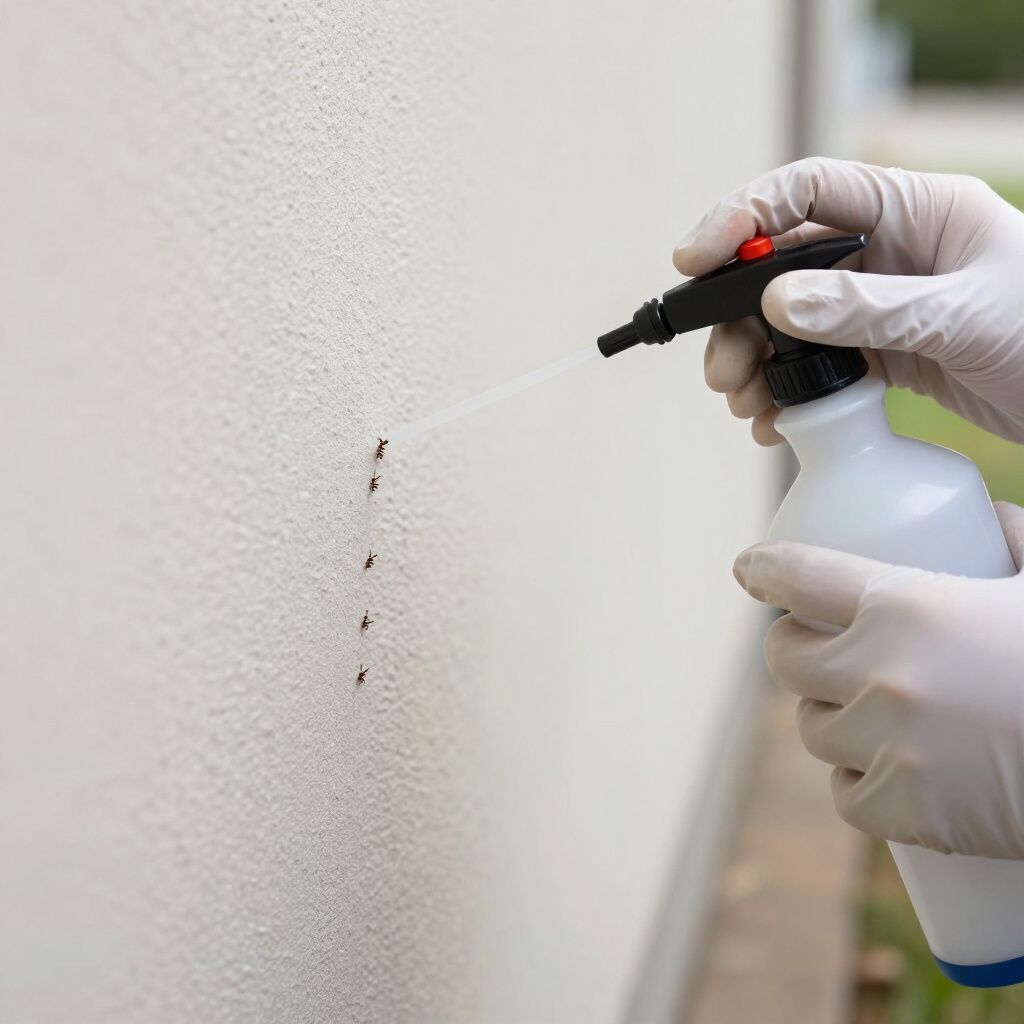

Few things are more frustrating than watching a line of ants march across your kitchen counter like they own the place. One morning you spot a single scout, and by afternoon there's a full-scale invasion underway. The good news? You don't need harsh chemicals or expensive treatments to keep these persistent pests at bay. With a few smart prevention strategies and some consistent habits, you can make your home far less appealing to ants and stop problems before they start.
How to Prevent Ants From Invading Your Home Starts With Understanding Their Behavior
Ants are incredibly resourceful creatures driven by two basic needs: food and shelter. Understanding this simple motivation is your first line of defense. Worker ants leave the colony in search of sustenance, laying down pheromone trails for their nest-mates to follow once they hit the jackpot. That tiny crumb you missed under the toaster? It's a beacon calling hundreds more to the scene.
Different ant species behave differently, which matters for prevention. Sugar ants swarm to sweet spills and ripe fruit, while grease ants (often called odorous house ants) prefer protein-rich and fatty foods. Carpenter ants don't actually eat wood—they tunnel through it to build nests, making moist, decaying structures particularly vulnerable. Knowing what you're dealing with helps you target your prevention efforts effectively.
Ants typically enter homes through the tiniest openings: gaps around windows and doors, cracks in foundations, utility pipe penetrations, and even under siding. They're persistent explorers, so if there's a way in, they'll find it. Your goal isn't just killing the ones you see—it's eliminating what attracts them and sealing off their access routes entirely.
Eliminate Food Sources That Draw Ants Indoors
The single most effective way to prevent ants from invading your home is removing their reason to come inside. This requires diligence, but the payoff is enormous.
Start with impeccable kitchen hygiene. Wipe down counters after every meal preparation, paying special attention to sticky spots around syrup bottles, honey jars, and jam containers. Sweep floors daily, and don't forget those hard-to-reach areas under appliances where crumbs accumulate. Store dry goods in airtight containers—cardboard boxes and thin plastic bags are no match for determined ants. Even pet food bowls can become ant magnets, so consider feeding pets at set times and removing uneaten food promptly.
Your trash management matters more than you might think. Use bins with tight-fitting lids, empty kitchen garbage daily, and rinse recyclable containers before tossing them. Compost bins should stay well away from exterior walls, and outdoor grills need thorough cleaning after each use.
Beyond the obvious, think about hidden food sources. Ripe fruit in a decorative bowl, sticky residue in the bottom of a cabinet, that drip of soda behind the refrigerator—these overlooked spots sustain ant populations once they've gained a foothold. A monthly deep-clean of kitchen zones catches these issues before they attract attention.
Key Tips for Sealing Entry Points and Creating Barriers
Even with perfect sanitation, ants will test your defenses if they can find a way inside. Physical barriers complement your cleaning efforts beautifully.
Walk the perimeter of your home with a critical eye. Seal cracks in your foundation with silicone caulk, weatherstrip around doors and windows, and repair torn screens promptly. Check where utility lines enter your house—gaps around pipes and wires are superhighways for ants. Expanding foam sealant works well for larger openings, but remember: ants can squeeze through spaces as thin as a credit card, so be thorough.
Landscaping choices significantly impact ant pressure near your home. Trim tree branches and shrubs so they don't touch your house—these serve as bridges that bypass ground-level barriers. Keep mulch and dense vegetation at least six inches from your foundation, as these materials retain moisture and harbor ant colonies. Consider creating a gravel or stone barrier directly against your exterior walls instead.
Natural deterrents can reinforce your physical defenses. Cinnamon, peppermint oil, vinegar, and diatomaceous earth all create unpleasant barriers that ants avoid. Apply these along known entry paths and potential access points, refreshing after rain or every few weeks. While not foolproof on their own, they add valuable layers to your prevention strategy.
Moisture control deserves special attention too. Fix leaky faucets, ensure proper drainage around your foundation, and use dehumidifiers in damp basements or crawl spaces. Carpenter ants particularly seek out water-damaged wood, so addressing moisture issues protects against the most structurally threatening species.
Final Thoughts
Preventing ants from invading your home comes down to three pillars: understanding what attracts them, eliminating food and water sources, and sealing their pathways inside. No single tactic works alone, but together they create an environment where ants simply don't find what they need.
Consistency beats intensity here. A weekly deep clean, seasonal perimeter inspections, and prompt attention to any scouts you spot will keep you far ahead of potential infestations. If despite your best efforts you notice persistent ant activity or suspect a colony has established inside your walls, professional pest control can identify the species and target treatment precisely. Most homeowners, though, find that diligent prevention eliminates the problem entirely—saving money, stress, and the unwelcome sight of ants marching across your morning coffee.