
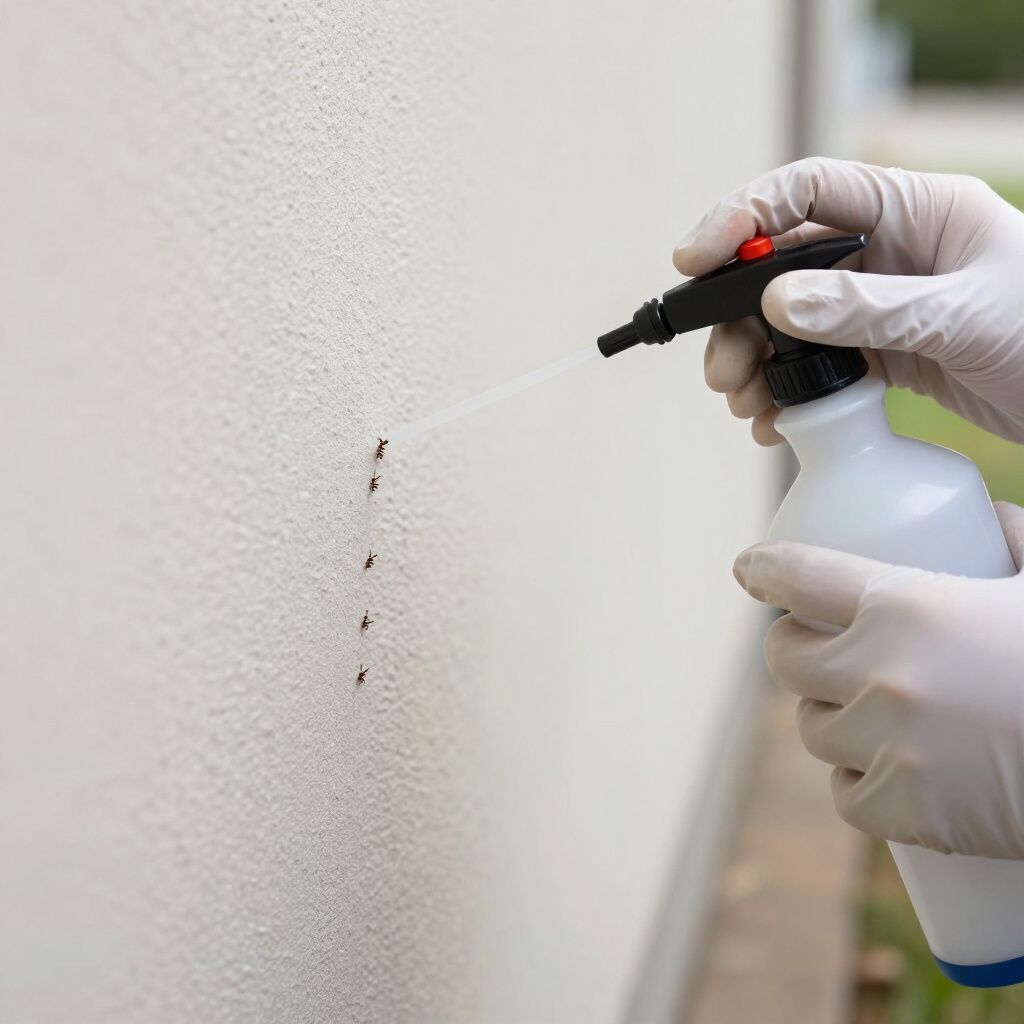

There's nothing quite like the sinking feeling of spotting a cockroach scurrying across your kitchen floor or hearing the telltale scratching of rodents in your walls. Household pests aren't just unpleasant—they can damage your property, contaminate your food, and even pose health risks to your family. The good news? Most infestations are entirely preventable with the right knowledge and consistent habits. In this guide, we'll walk through the most common household pests and share practical, proven strategies to keep them out of your home for good.
Most Common Household Pests and How to Prevent Them
Understanding which pests you're up against is the first step to protecting your home. Each invader has unique behaviors, preferred entry points, and prevention methods. Let's explore the culprits that plague homeowners most frequently.
Ants top the list of nuisance pests worldwide. These tiny foragers enter homes seeking food and moisture, often arriving in trails that seem to appear overnight. Sugar ants favor kitchens and pantries, while carpenter ants pose a more serious threat by tunneling through damp wood. Prevention starts with eliminating their food sources: wipe counters immediately after cooking, store dry goods in airtight containers, and clean up crumbs promptly. Seal cracks around windows, doors, and your home's foundation with caulk. For persistent problems, trace their trails to locate and treat outdoor nests.
Cockroaches represent one of the most resilient and undesirable household pests. These nocturnal insects thrive in warm, humid environments and can survive on remarkably little food. Beyond the disgust factor, roaches spread bacteria, trigger allergies, and aggravate asthma. Prevention requires diligence: fix leaky pipes and faucets promptly, use dehumidifiers in damp basements, and keep your kitchen immaculate. Never leave pet food out overnight, and empty garbage bins regularly. Seal gaps around utility lines entering your home, as roaches often travel through wall voids from neighboring units.
Rodents—mice and rats—cause significant damage through gnawing and create fire hazards by chewing electrical wiring. They reproduce rapidly, so early intervention matters enormously. A single mouse can squeeze through an opening the width of a pencil. Inspect your home's exterior thoroughly, paying special attention to where utility lines enter, gaps under doors, and foundation cracks. Store food in metal or thick plastic containers rather than cardboard or thin plastic bags. Keep firewood stacked at least twenty feet from your house, and maintain tidy landscaping that eliminates hiding spots near your foundation.
Termites operate silently, often causing extensive structural damage before homeowners notice any signs. Subterranean termites build mud tubes to reach wood, while drywood termites need no soil contact. Annual professional inspections remain your best defense, but you can reduce risk significantly: maintain proper drainage around your foundation, keep mulch at least six inches from siding, and eliminate wood-to-soil contact wherever possible. Repair leaking outdoor faucets and ensure gutters direct water well away from your home's base.
Mosquitoes transform pleasant evenings into miserable, itchy experiences and can transmit serious diseases. These prolific breeders need only tiny amounts of stagnant water. Walk your property weekly during warm months, emptying birdbaths, flowerpot saucers, clogged gutters, and any container holding water. Keep window screens in good repair, and consider using fans on covered patios—these weak fliers struggle against even gentle air currents. For properties near standing water, professional barrier treatments provide additional protection.
Bed bugs have resurged dramatically in recent decades, hitchhiking home in luggage, used furniture, and clothing. These elusive pests hide in mattress seams, box springs, and cracks near sleeping areas. Prevention demands vigilance: inspect hotel rooms before unpacking, keep luggage on racks rather than floors, and wash travel clothes in hot water immediately upon returning home. Never bring secondhand furniture into your bedroom without thorough inspection. Protective encasements for mattresses and box springs eliminate hiding spots and make early detection far easier.
Spiders generally benefit homeowners by catching other insects, but their presence often signals underlying pest issues. Most household spiders pose no medical threat, though brown recluses and black widows require caution. Reduce spider populations by addressing their prey: control flying insects attracted to lights, seal entry points, and clear clutter where both spiders and their food sources hide. Regular dusting and vacuuming of corners, basements, and storage areas removes webs and egg sacs.
Seasonal Pest Prevention Strategies
Pest pressures shift throughout the year, and aligning your prevention efforts with seasonal patterns dramatically improves effectiveness.
Spring brings renewed activity as pests emerge from winter dormancy. Inspect your home's exterior for winter damage that created new entry points. Clean gutters thoroughly, trim vegetation away from your roofline and foundation, and begin consistent mosquito prevention by eliminating standing water. This is also the ideal time for professional termite inspections.
Summer heat drives many pests indoors seeking cooler temperatures and moisture. Maintain rigorous sanitation habits, as pest metabolism peaks and food becomes even more attractive. Ensure window screens are intact, and consider door sweeps if you notice gaps. Address moisture issues promptly, as humidity attracts numerous pest species.
Fall triggers migration indoors as temperatures drop. Rodents begin seeking winter shelter, making exclusion efforts critical. Seal all potential entry points now, before cold weather arrives. Store firewood properly, and inspect it carefully before bringing any indoors. Clean and store summer items in sealed containers rather than cardboard boxes.
Winter may seem quiet, but pests active inside your home continue reproducing in heated spaces. Maintain your sanitation routine, continue monitoring for signs of rodents, and use this slower period to schedule professional inspections or plan major exclusion projects for spring.
Key Tips for Long-Term Pest Management
Sustainable pest prevention relies on consistent habits rather than reactive treatments. Prioritize these fundamentals:
Sanitation serves as your foundation. No pest prevention strategy overcomes poor housekeeping. Clean daily, address spills immediately, and maintain rigorous food storage practices throughout your home—not just the kitchen.
Moisture control eliminates conditions that attract and sustain countless pests. Repair leaks promptly, improve ventilation in bathrooms and kitchens, and use dehumidifiers in chronically damp areas. Your home's crawl space deserves particular attention, as hidden moisture there supports termites, mold, and wood-destroying organisms.
Exclusion—physically blocking pest entry—provides the most reliable long-term protection. Conduct thorough inspections seasonally, using quality materials: steel wool for rodent gaps (they cannot gnaw through it), fine mesh screens for vents, and appropriate sealants for various crack sizes.
Landscaping choices significantly impact pest pressure. Maintain a vegetation-free zone immediately around your foundation, use mulch sparingly and strategically, and position outdoor lighting away from doors to avoid attracting flying insects. Keep garbage in sealed containers and compost properly to avoid creating pest buffets.
Know when professional expertise becomes necessary. While DIY prevention handles most situations, established infestations of termites, bed bugs, or rodents typically require specialized knowledge, equipment, and treatment methods. Early professional intervention often costs less than delayed action.
Final Thoughts
Protecting your home from pests demands ongoing attention, but the investment pays dividends in property preservation, health protection, and peace of mind. Focus first on the fundamentals: exceptional sanitation, moisture management, and thorough exclusion. Understand the specific threats most relevant to your region and home style, and adjust your efforts seasonally. Remember that preventing household pests always proves easier, less expensive, and less stressful than eliminating established infestations. By implementing the strategies outlined here consistently, you'll create an environment where pests simply cannot thrive—and where you can enjoy your home without unwanted company.