

You don't need harsh chemicals to keep your home pest-free. Whether you're worried about pets, children, or simply want a more eco-friendly approach, natural pest control methods can be surprisingly effective when applied correctly. The key is understanding which solutions work for specific pests—and using them strategically rather than hoping for a one-size-fits-all miracle.
Natural Pest Control Methods That Actually Work Around the Home
The foundation of effective natural pest control starts with prevention. Pests enter your home seeking food, water, and shelter. Eliminate these attractions, and you've already won half the battle.
Seal entry points meticulously. Caulk gaps around windows, doors, pipes, and utility lines. Even a quarter-inch opening invites mice, while smaller cracks accommodate ants and spiders. Steel wool stuffed into larger gaps deters rodents—they can't chew through it.
Remove moisture sources. Fix leaky faucets, improve drainage, and use dehumidifiers in damp basements. Many pests, including cockroaches, silverfish, and centipedes, require moisture to survive. A dry environment makes your home inhospitable.
Store food properly. Glass or thick plastic containers with tight lids prevent pantry pests like weevils, moths, and ants from accessing food sources. Clean crumbs promptly and avoid leaving pet food out overnight.
These preventive measures create the essential foundation. Without them, even the most targeted natural treatments will struggle to succeed.
Targeted Natural Remedies for Common Pests
Once you've addressed prevention, specific natural treatments can tackle existing problems effectively.
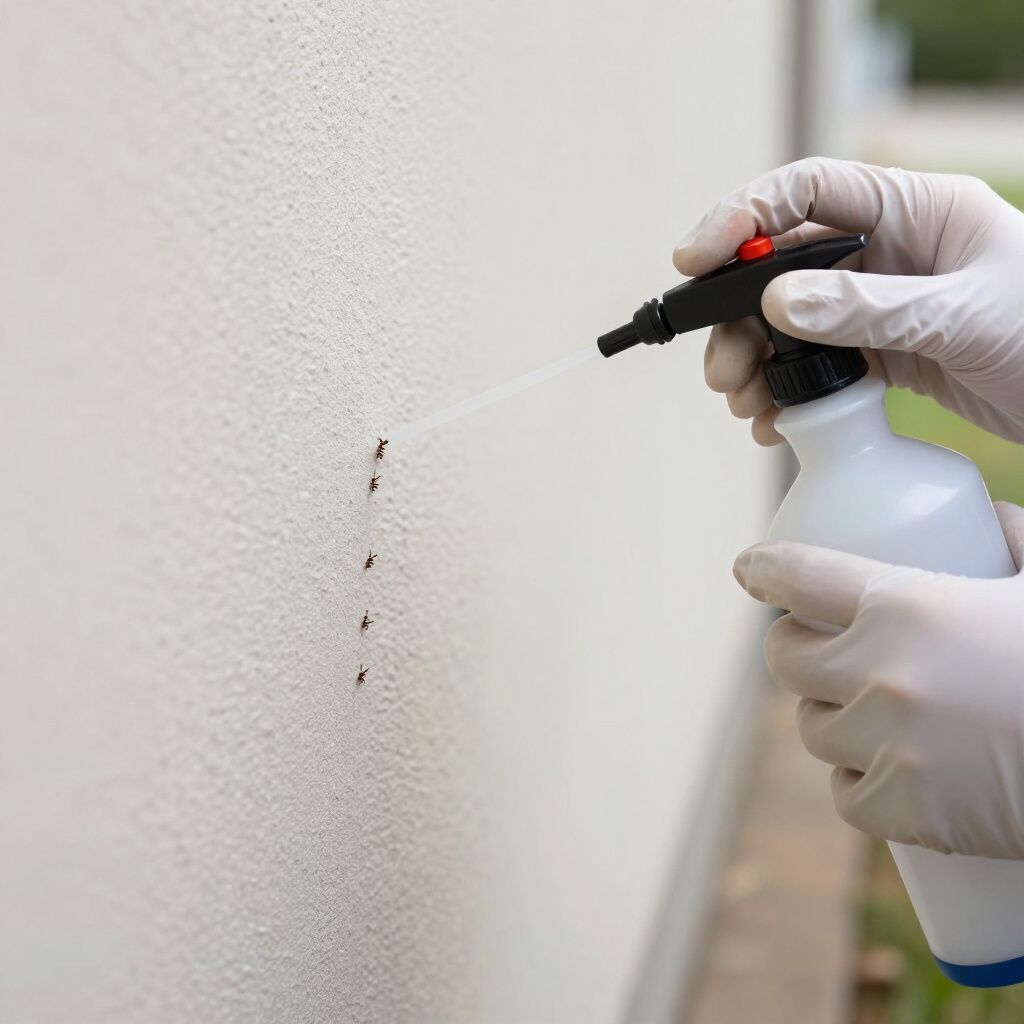
For ants: Diatomaceous earth (food-grade) works by damaging the waxy coating on ants' exoskeletons, causing dehydration. Sprinkle it along trails, entry points, and nest locations. Reapply after rain or cleaning. A bait of borax mixed with sugar water attracts worker ants, who carry the slow-acting poison back to the colony—eliminating the source, not just the visible workers.
For rodents: Peppermint oil repels mice and rats due to its strong scent, though it requires frequent reapplication every few days. Place cotton balls soaked in pure peppermint oil near suspected entry points. For better results, pair this with snap traps or live traps positioned along walls where rodents travel.
For cockroaches: A mixture of boric acid and powdered sugar, applied thinly in crack and crevices, proves highly effective. Roaches walk through the powder, groom themselves, and ingest the toxin. Alternatively, food-grade diatomaceous earth provides a slower but non-toxic option. Bay leaves in cabinets may provide mild repelling action.
For mosquitoes: Eliminate standing water completely—this is non-negotiable. For outdoor protection, plant citronella, lavender, marigolds, and catnip around seating areas. These contain compounds that mosquitoes find unpleasant. Burn citronella candles during outdoor gatherings for localized protection.
For spiders: Regular web removal with a vacuum or broom discourages resettlement. Essential oils of peppermint, tea tree, or eucalyptus diluted in water and sprayed in corners, window sills, and basements create an unwelcome environment. Increase lighting in dark corners—spiders prefer undisturbed spaces.
For garden pests: Neem oil disrupts the feeding and breeding cycles of aphids, whiteflies, and mites. Companion planting offers powerful protection: marigolds deter nematodes and aphids; basil repels flies and mosquitoes; nasturtiums act as trap crops for aphids, drawing them away from vegetables.
Key Tips for Success with Natural Approaches
Natural pest control demands more patience and consistency than chemical alternatives, but the trade-off is worth it for many households.
Be persistent and observant. Natural methods often work more gradually than pesticides. Apply treatments regularly, monitor results, and adjust your approach based on what you observe. A single application rarely solves established infestations.
Identify your pest correctly. Misidentification leads to wrong treatments and wasted effort. Study droppings, damage patterns, and active times. If unsure, capture a specimen or photograph for identification before selecting your method.
Combine multiple tactics. Integrated Pest Management (IPM) principles apply perfectly to natural control. Use physical barriers, habitat modification, biological controls, and targeted natural products together for layered protection.
Know when to escalate. Severe infestations—particularly termites, bed bugs, or extensive rodent problems—may exceed what natural methods can reasonably achieve. Professional intervention protects your property and health when DIY approaches prove insufficient. There's no shame in recognizing a situation requires stronger measures.
Maintain realistic expectations. Natural pest control methods that actually work do exist, but they rarely provide instant gratification. They excel at prevention, management of minor problems, and maintaining long-term protection in conjunction with good sanitation practices.
Final Thoughts
Natural pest control offers a viable, responsible path to protecting your home and garden when applied with knowledge and consistency. The most effective approach combines vigilant prevention, correct pest identification, and appropriate natural treatments used persistently over time. Start with the environmental changes that make your space less attractive to pests, then layer in targeted remedies for specific problems. You'll reduce chemical exposure, protect beneficial insects, and still enjoy a comfortable, pest-managed home. When infestations grow beyond your comfort level, professional pest control services can assess whether natural methods remain appropriate or if integrated approaches become necessary.