
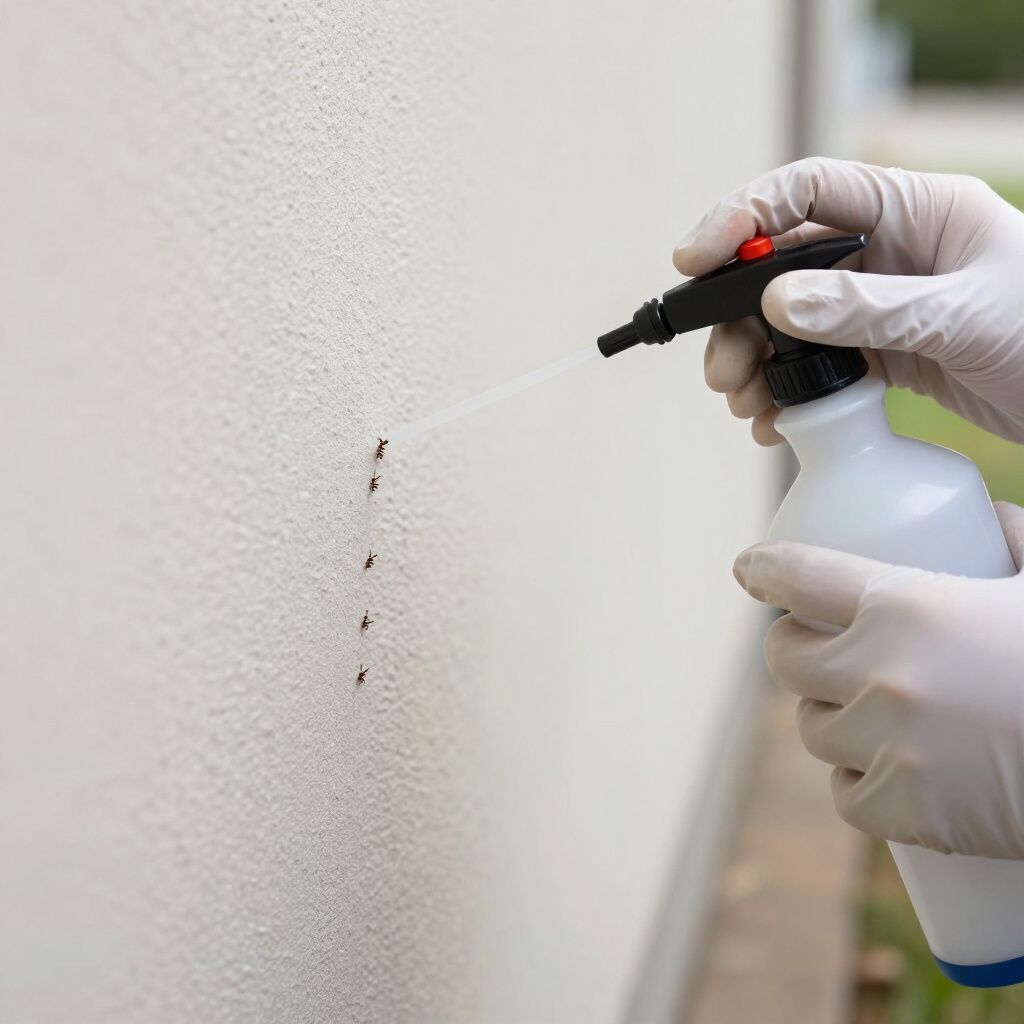

Pests don't take vacations. As the seasons change, so do the critters trying to make your home their own. Whether it's ants marching through your kitchen in spring or rodents seeking shelter when winter arrives, staying ahead of pest problems requires year-round attention. The good news? A little seasonal preparation goes a long way toward keeping your home pest-free. This seasonal pest control checklist will help you protect your property through every month of the year—without the stress of surprise infestations.
Why Seasonal Pest Control Matters for Your Home
Many homeowners only think about pest control when they spot a problem. But by then, you're already dealing with damage, contamination, or expensive treatments. Seasonal pest control is about prevention—understanding what pests are active when, and taking steps to block them before they get inside.
Different pests thrive in different conditions. Warm weather brings out insects in full force, while cooler temperatures drive rodents and overwintering bugs indoors. Moisture levels, breeding cycles, and food availability all shift with the seasons. When you align your home maintenance with these patterns, you create multiple layers of defense that pests struggle to penetrate.
The key is consistency. A single treatment or weekend of sealing cracks won't carry you through the year. Instead, think of pest management as a rotating home maintenance task—like changing HVAC filters or cleaning gutters. Small, regular efforts compound into serious protection.
Your Seasonal Pest Control Checklist
Breaking your pest prevention into seasons makes the work manageable and timely. Here's what to focus on as the year progresses.
Spring: This is when pest activity explodes. Ants, termites, mosquitoes, and stinging insects emerge and begin establishing colonies. Start by inspecting your home's exterior for winter damage—cracked caulk, rotted wood, and gaps around windows or doors. Repair any moisture issues, since standing water and damp wood attract termites and carpenter ants. Clean gutters thoroughly to prevent clogs that hold water. Trim shrubs and tree branches away from your house to eliminate bridges for crawling insects. Consider a professional perimeter treatment before ant trails and wasp nests become established.
Summer: Heat and humidity accelerate pest problems. Mosquitoes breed in the smallest water sources, so walk your property weekly to empty birdbaths, flowerpot saucers, and kiddie pools. Keep garbage in sealed containers and clean grills after use to avoid attracting flies, wasps, and raccoons. Check window screens for tears and repair them promptly. Indoors, maintain a dry environment—use dehumidifiers in basements and fix leaky pipes. Bed bugs often hitchhike home with summer travelers, so inspect luggage and wash clothes in hot water after trips.
Fall: As temperatures drop, pests start seeking winter shelter. This is your most critical sealing season. Inspect and repair weatherstripping around doors and windows. Seal foundation cracks with appropriate caulk or mortar. Cover vents with fine mesh screens. Rodents can squeeze through openings as small as a dime, so don't underestimate tiny gaps. Store firewood at least twenty feet from your house and inspect it before bringing any indoors. Clear fallen leaves from against your foundation, as they create harborage for spiders, millipedes, and overwintering boxelder bugs.
Winter: Pest activity may slow, but infestations often reveal themselves now. Rodents are the primary concern, scratching in walls or leaving droppings in pantries. Store food in airtight containers and eliminate clutter where mice can nest. Check your attic and basement regularly for signs of activity. If you didn't seal entry points in fall, do it immediately—mice reproduce rapidly once established. Also watch for overwintering insects like stink bugs and lady beetles that entered in autumn; vacuum them up rather than crushing, which can release odors or staining compounds.
Key Tips for Year-Round Protection
Beyond seasonal tasks, certain habits strengthen your defenses regardless of the month. These foundational practices support everything else on your seasonal pest control checklist.
Maintain your landscape with pest prevention in mind. Overgrown vegetation traps moisture against your home and provides cover for pests approaching your foundation. Keep mulch thin and several inches away from siding—thick mulch beds are highways for termites and millipedes. Use gravel or rock barriers where practical.
Manage moisture aggressively. Most pests need water to survive, and many prefer humid conditions. Ensure proper grading directs water away from your foundation. Run exhaust fans during showers and cooking. Address any plumbing leaks within days, not weeks. A dry home is inherently less hospitable.
Practice smart food storage and waste management. Don't leave pet food out overnight. Take garbage out regularly rather than letting bags accumulate. Clean under appliances where crumbs collect. Even small food sources can sustain surprisingly large pest populations.
Schedule annual professional inspections. A trained technician can spot early warning signs you might miss—mud tubes from termites, subtle rodent gnaw marks, or conducive conditions around your property. Many pest control companies offer maintenance plans that include seasonal treatments tailored to local pest pressures.
Document what you observe. Note when you see particular pests, where they appear, and any conditions that might attract them. This record helps you anticipate problems and gives professionals valuable information if you need targeted treatment.
Final Thoughts
Protecting your home from pests isn't about achieving perfection—it's about staying proactive and responding quickly when vulnerabilities appear. By following this seasonal pest control checklist, you transform your approach from reactive panic to confident prevention. Your home stays more comfortable, your family avoids health risks from bites and droppings, and you save money by preventing damage rather than repairing it.
Start with the season you're in right now. Tackle the relevant tasks, then build the habit of preparing for what's coming next. Over time, this rhythm becomes second nature, and pests will find your home far less inviting than the alternatives.