
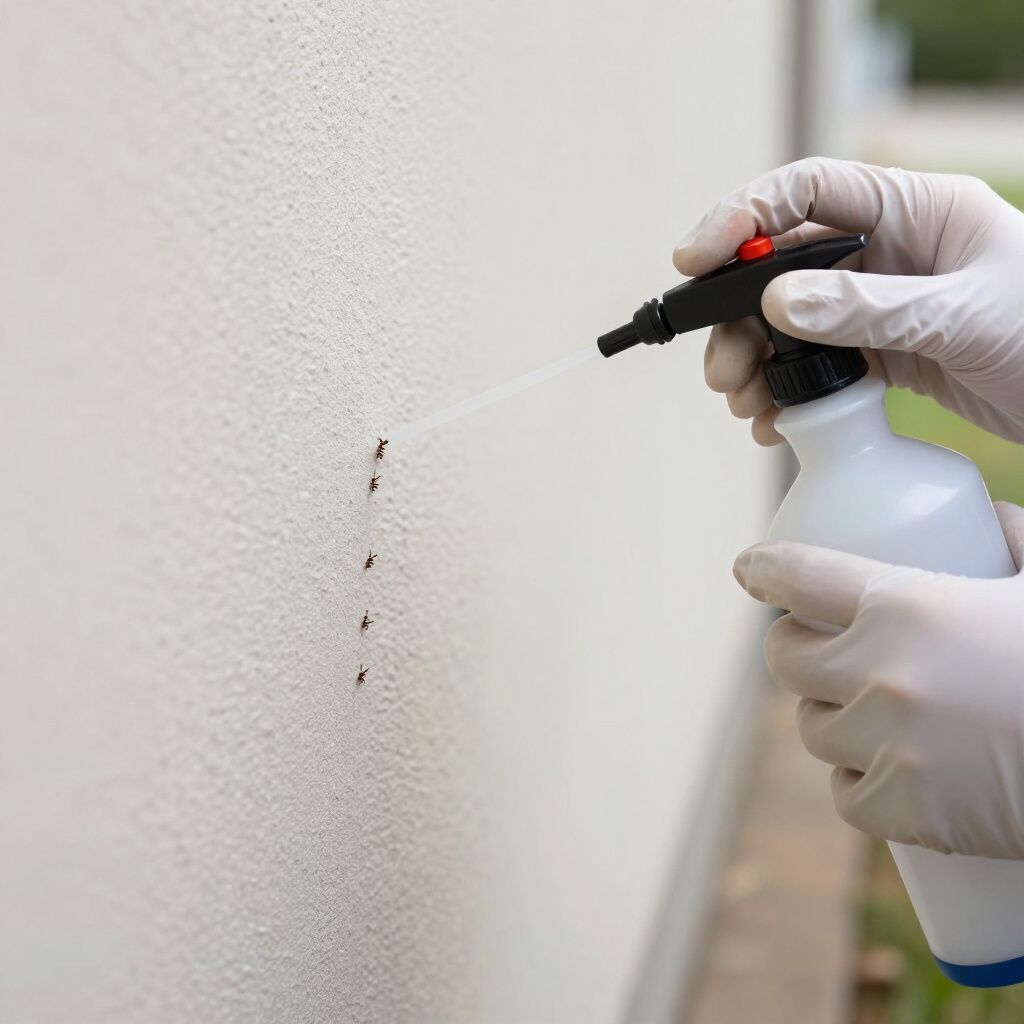

Termites are one of the most destructive pests a homeowner can face, causing billions of dollars in property damage across the United States every year. What's truly alarming is that these silent invaders often go undetected for months or even years, quietly eating away at your home's structure while you remain completely unaware. By the time visible signs appear, significant damage may already be done. Learning to recognize the early warning signs you may have termites can save you thousands in repair costs and protect your most valuable investment.
Early Warning Signs You May Have Termites
Detecting a termite problem early requires knowing what to look for. These pests are masters of concealment, but they do leave behind subtle clues if you're observant.
Mud tubes on exterior walls are one of the most definitive indicators of subterranean termite activity. These pencil-width tunnels made of soil and wood particles allow termites to travel between their underground colony and their food source while maintaining the moisture they need to survive. Check your foundation walls, crawl spaces, and any concrete or masonry surfaces that contact soil. Breaking open a mud tube and finding live, creamy-white insects confirms an active infestation.
Swarmer wings and discarded wings signal a mature colony ready to expand. Reproductive termites, called alates, emerge in large numbers during spring, typically after warm rain showers. These winged termites are attracted to light and may accumulate around windowsills, door frames, or porch lights. After mating, they shed their wings, leaving behind small, translucent piles that resemble fish scales. Finding these discarded wings indoors is a strong indication that termites have already established themselves within your home's structure.
Hollow-sounding or damaged wood reveals where termites have been feeding. Unlike carpenter ants that push wood shavings out of their galleries, termites consume wood from the inside out, leaving only a thin veneer of paint or surface wood intact. Tap wooden beams, baseboards, window sills, and door frames with a screwdriver handle. If the wood sounds papery or hollow, or if your tool easily penetrates the surface, termites may have hollowed out the interior. Blistering or darkening on wood surfaces can also indicate moisture buildup from termite activity beneath.
Frass (termite droppings) appears as tiny, hexagonal pellets that look like sawdust or coffee grounds. Drywood termites push these droppings out of small kick-out holes in the wood they're infesting. You might find small piles accumulating on floors or windowsills below infested areas. Unlike sawdust from carpenter ants, frass pellets are uniform in shape and size with six distinct sides.
Subtle Indicators Often Overlooked
Beyond the obvious warning signs, several less noticeable changes can point to hidden termite activity.
Tight-fitting doors and windows that suddenly become difficult to open or close may indicate moisture accumulation from termite tunnels within the surrounding frame. This moisture causes wood to warp or swell, creating friction in what previously operated smoothly. Many homeowners attribute this to seasonal humidity changes, but when combined with other signs, it warrants closer inspection.
Bubbling or peeling paint that resembles water damage can actually result from termites bringing moisture into dry wood. The thin layer of paint over galleries filled with moist soil and waste will often blister, crack, or flake away. This symptom frequently appears on baseboards, door frames, and window sills where termites are most active.
Clicking sounds within walls are produced by soldier termites banging their heads against wood or shaking their bodies to signal danger to the colony. You may hear these faint rustling or clicking noises if you press your ear against an infested wall, particularly at night when the house is quiet and termite activity peaks. While subtle, this auditory clue combined with other signs strongly suggests an established colony.
Sagging floors or ceilings indicate advanced structural damage where termites have compromised load-bearing wooden elements. Floorboards may feel springy or spongy underfoot, and ceilings might develop visible dips or cracks in the drywall where underlying joists have been weakened. At this stage, professional intervention is urgent to prevent potential collapse or extensive reconstruction needs.
Key Tips for Protecting Your Home
Prevention and vigilance are your best defenses against termite damage. Implement these practical strategies to reduce your risk and catch problems early.
Eliminate wood-to-soil contact wherever possible. Store firewood, lumber, and mulch at least twenty feet from your foundation and raise it off the ground. Replace wooden landscaping elements with composite materials, and ensure fence posts, deck supports, and other structural wood has proper concrete footings that prevent direct soil contact.
Control moisture around your property. Termites require water to survive, so repairing leaky faucets, improving drainage, and maintaining gutters and downspouts removes the conditions they need to thrive. Ensure proper ventilation in crawl spaces and attics to reduce humidity levels that attract these moisture-dependent pests.
Schedule annual professional inspections even if you haven't noticed warning signs you may have termites. Licensed pest control technicians have specialized training, moisture meters, thermal imaging cameras, and other tools to detect hidden activity that escapes casual observation. Many companies offer termite bonds or protection plans that include regular monitoring and treatment guarantees.
Consider preventive treatment if you live in an area with high termite pressure. Liquid soil barriers, baiting systems, or treated wood products installed during construction or renovation provide long-term protection against future infestations. The upfront investment is modest compared to the potential cost of structural repairs.
Final Thoughts
Termites operate silently and efficiently, which makes them particularly dangerous to your home. The signs you may have termites range from obvious mud tubes and discarded wings to subtle indicators like jammed doors, bubbling paint, and faint clicking sounds within walls. Understanding these warning signals empowers you to act before extensive damage occurs.
If you suspect termite activity based on any of the signs described above, contact a qualified pest control professional promptly. DIY treatments rarely eliminate entire colonies and may simply drive termites deeper into concealed areas where they continue destructive feeding unchecked. Professional assessment and targeted treatment protect your home's structural integrity and your family's safety for years to come. Remember that in the battle against termites, early detection is everything—stay observant, act decisively, and never ignore the subtle signs these persistent pests leave behind.