
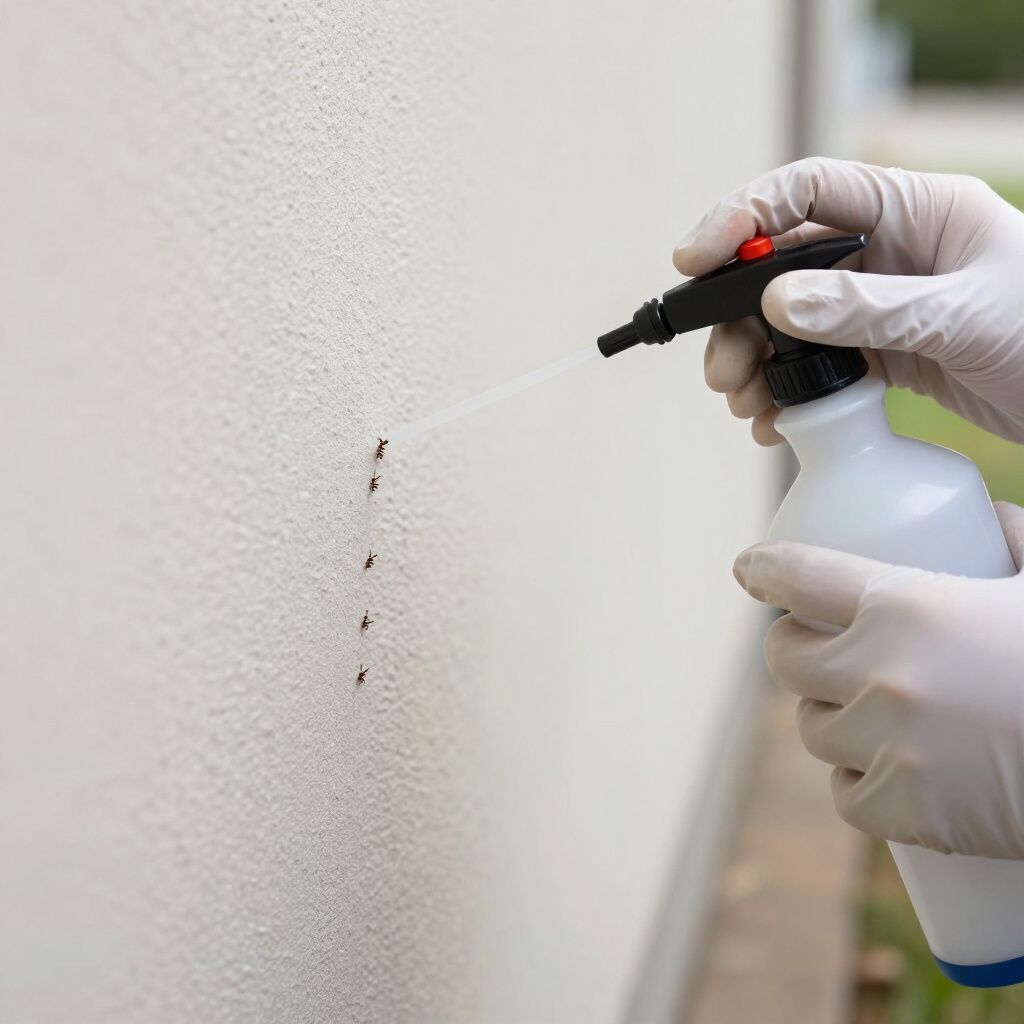

You've spotted something skittering across the kitchen floor at midnight. Maybe it's a single ant, or maybe it's something worse. The question every homeowner faces eventually: handle it yourself, or pick up the phone? Knowing when to call a pest control professional can save you money, protect your family's health, and prevent serious damage to your home. Here's how to make that call with confidence.
When to Call a Pest Control Professional: Clear Warning Signs
Some pest situations demand immediate professional attention. The first red flag is seeing pests during daylight hours. Nocturnal creatures like cockroaches, rodents, and bed bugs that appear in bright light often signal a heavy infestation — one that's outgrown hiding spots and forced individuals to venture out at unusual times. By the time you're seeing daytime activity, the population hiding in walls, crawl spaces, or under floorboards is likely substantial.
Structural damage is another non-negotiable sign. Termite mud tubes along foundation walls, carpenter ant frass resembling sawdust near wooden structures, or gnaw marks on electrical wiring all indicate pests actively destroying your home. These scenarios rarely respond to over-the-counter treatments because the colony or nest remains protected deep within structures where sprays simply cannot reach.
Unexplained health symptoms in your household also warrant professional intervention. Persistent respiratory issues, unexplained bites or rashes, or allergic reactions without obvious triggers may point to hidden pest problems. Rodent droppings, cockroach allergens, and bed bug bites each carry genuine health risks that DIY approaches typically cannot resolve safely or thoroughly.
Situations Where DIY Methods Fall Short
The hardware store aisle promises quick fixes, but certain infestations consistently defeat amateur efforts. Bed bugs represent perhaps the most notorious example — these resilient insects have developed resistance to many common pesticides, and their eggs hide in microscopic cracks. Homeowners who attempt self-treatment often scatter the infestation to adjacent rooms, making eventual professional treatment more extensive and expensive.
Multi-room or multi-level pest presence indicates established pathways throughout your home. A mouse in the kitchen and another in the upstairs bedroom suggests entry points, travel routes, and possibly nesting sites your untrained eye hasn't identified. Professionals locate and seal these vulnerabilities while addressing the current population.
Recurring problems after your own treatment attempts strongly suggest incomplete solutions. Perhaps you've killed visible ants but missed the colony queen, or eliminated surface roaches while egg cases continue hatching in wall voids. Three or more DIY attempts without lasting success typically cost more in supplies and frustration than an initial professional service would have.
Specialized pests require specialized knowledge. Honeybees in wall cavities need careful relocation rather than extermination. Venomous spiders, aggressive wasp nests in difficult locations, or wildlife like raccoons in attics all present safety considerations beyond typical homeowner comfort and capability.
Key Tips for Working With Pest Control Services
Preparation maximizes the value of professional visits. Before your appointment, document where and when you've observed pest activity. Note specific locations, times of day, and any patterns you've noticed. This information helps technicians identify nesting sites and entry points more efficiently.
Ask questions during the initial inspection. Reputable professionals explain their findings, proposed treatment methods, and expected outcomes clearly. Inquire about integrated pest management approaches that combine treatment with prevention, reducing long-term chemical reliance. Understand what preparation they need from you — sometimes furniture moving, pet arrangements, or temporary vacating is necessary.
Discuss follow-up plans before signing any service agreement. Effective pest control often requires monitoring visits, especially for persistent problems like German cockroaches or bed bugs. Clarify whether retreatments are included in your service plan if pests persist, and understand any warranty or guarantee terms.
Consider seasonal timing for proactive services. Spring appointments for termite inspection, fall rodent-proofing before cold weather drives mice indoors, or mosquito reduction programs starting before peak summer activity can prevent problems rather than reacting to crises. Many homeowners find that establishing a relationship with a trusted professional before emergencies arise leads to better outcomes and often preferential scheduling.
Finally, maintain realistic expectations. Even excellent pest control requires patience — some treatments take days or weeks to fully eliminate populations as pests contact treated areas or bait stations. Follow all technician recommendations regarding sanitation, moisture reduction, and exclusion work to support treatment effectiveness.
Final Thoughts
Deciding when to call a pest control professional ultimately balances severity, safety, and your own time and stress. Minor, isolated incidents often resolve with vigilant homeowners using appropriate retail products. However, persistent problems, health concerns, property damage, or simply uncertainty about what you're facing all justify professional expertise.
The most expensive approach is frequently the delayed one — small problems that grow into major infestations, DIY attempts that inadvertently spread pests, or structural damage that compounds while homeowners hesitate. Trust your instincts when something feels beyond your comfort level or capabilities. A qualified pest control professional brings not just products and equipment, but trained observation, species-specific knowledge, and systematic approaches that protect your home and family more effectively than going it alone ever could.