
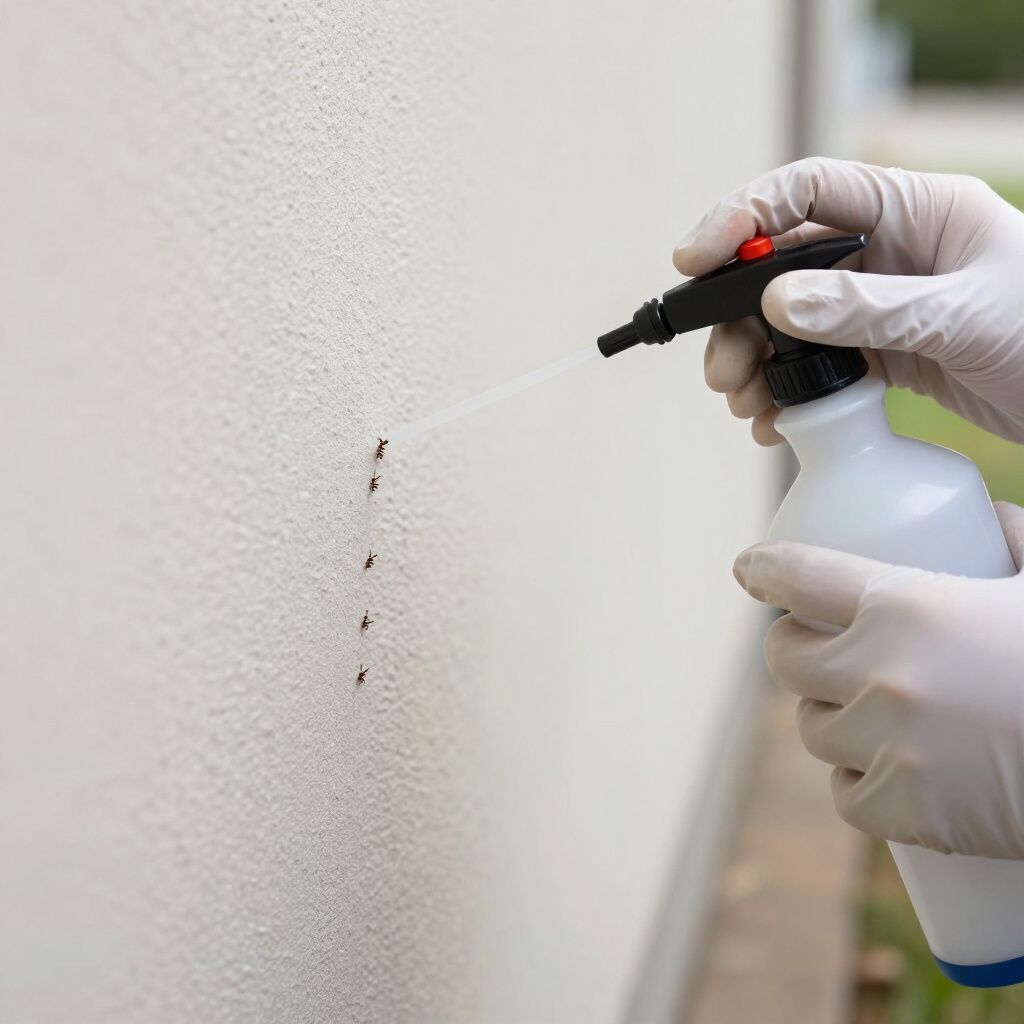

Pest Control Services in Blaine, WA
Blaine sits at the northwesternmost corner of Washington State, right on the Canadian border. This unique location along Drayton Harbor and Semiahmoo Bay creates specific pest challenges that differ from inland communities. The coastal environment, combined with cross-border traffic and dense evergreen forests, means residents deal with everything from moisture-seeking rodents to seasonal invaders that thrive in our mild marine climate.
Despite its small size, Blaine's position in San Juan County's service region connects it to specialized pest management expertise. The town's harbor area, residential neighborhoods along Marine Drive, and newer developments near the golf course each present distinct pest pressures that require localized knowledge.
Common Pest Issues in Blaine
The waterfront setting attracts several persistent problems. Rats and mice are particularly active near the marina and older homes with crawl spaces, where damp conditions provide ideal harborage. These rodents exploit gaps in foundations and utility penetrations, especially during fall when temperatures drop.
Odorous house ants and moisture ants plague numerous Blaine properties. The high humidity from proximity to the Salish Sea supports colonies that establish inside wall voids and beneath flooring. Carpenter ants pose additional structural concerns, especially in homes with wood siding or cedar shake roofs common in the area.
During summer months, spiders including giant house spiders and cross orbweavers become conspicuous. While mostly harmless, their webs create maintenance headaches for waterfront properties. The harbor also supports populations of cluster flies and blow flies that seek indoor overwintering sites.
Unique to border communities, Blaine occasionally sees bed bug introductions associated with international travel. Early detection and professional treatment prevent these from establishing in residential settings.
Seasonal Pest Patterns
Spring brings carpenter ant swarming, typically April through June, as temperatures consistently reach the 50s. Summer increases wasp and yellowjacket activity around outdoor dining areas at Peace Arch Park and local viewpoints. Fall triggers rodent migration indoors. Winter sees spiders and occasional overwintering boxelder bugs seeking warmth.
What to Expect from Professional Service
Effective Blaine pest control starts with understanding the property's relationship to water, prevailing winds, and surrounding vegetation. Technicians should inspect crawl spaces for moisture damage, examine exterior sealing, and identify rodent entry routes common in this coastal zone. Treatment plans typically emphasize exterior perimeter protection, moisture management recommendations, and targeted interior applications only when necessary.
Frequently Asked Questions About Pest Control in Blaine
Do border crossing activities affect pest problems in Blaine?
International traffic can occasionally introduce hitchhiking pests like bed bugs through luggage and transported goods. However, the primary pest pressures in Blaine stem from our natural coastal environment—harbor rodents, moisture-loving insects, and forest-dwelling spiders that are native to this ecosystem. Professional services focus on these local factors rather than border-specific concerns.
How does the marine climate impact pest control effectiveness?
The constant humidity and salt air in Blaine require adjusted treatment approaches. Standard pesticide applications may degrade faster in moist conditions, so professionals often use microencapsulated formulations or bait-based systems that resist weathering. Crawl space moisture control becomes especially critical, as damp environments undermine most pest prevention efforts regardless of chemical application.
Are there special considerations for waterfront homes near Drayton Harbor?
Waterfront properties face intensified rodent pressure from harbor rat populations and increased spider activity attracted to insect prey drawn to lights reflecting on water. These homes also contend with limited treatment buffer zones due to environmental sensitivity. Integrated pest management—emphasizing exclusion, habitat modification, and precision baiting over broad spraying—provides effective control while protecting the marine ecosystem.