

Professional Pest Control Services in DuPont
DuPont sits at the intersection of Puget Sound waterfront and dense Pacific Northwest forest, creating ideal conditions for persistent pest activity throughout the year. The city's rapid growth from former military land into a thriving residential community has introduced new construction disturbances, while established neighborhoods near Sequalitchew Creek and the Chehalis Western Trail contend with mature landscaping that harbors rodents, ants, and seasonal invaders.
Thurston County's mild, wet climate keeps pest populations active longer than in drier regions. Carpenter ants tunnel through moisture-softened wood, odorous house ants trail through kitchen spaces, and Norway rats exploit gaps in foundations and crawl spaces. Subterranean termites remain a documented threat in the county, particularly in homes with drainage issues or wood-to-soil contact. Spider populations, including the medically significant western black widow, favor undisturbed storage areas and outdoor structures.
Effective pest management in DuPont requires understanding how local geography influences infestation patterns. Homes bordering the DuPont Historical Museum grounds and the wooded corridor along I-5 experience higher wildlife and insect pressure. Properties in the newer Northwest Landing development contend with displaced populations from ongoing land clearing. Professional intervention addresses these location-specific challenges rather than applying generic treatment protocols.
Our Pest Control Services in DuPont
We provide comprehensive pest management tailored to DuPont's distinct environment and housing stock, from historic homes near the old powder works to contemporary builds in the Village at DuPont.
- Residential Pest Control: Ongoing protection plans with quarterly or bi-monthly exterior treatments, interior monitoring, and seasonal adjustments based on Thurston County pest pressure cycles.
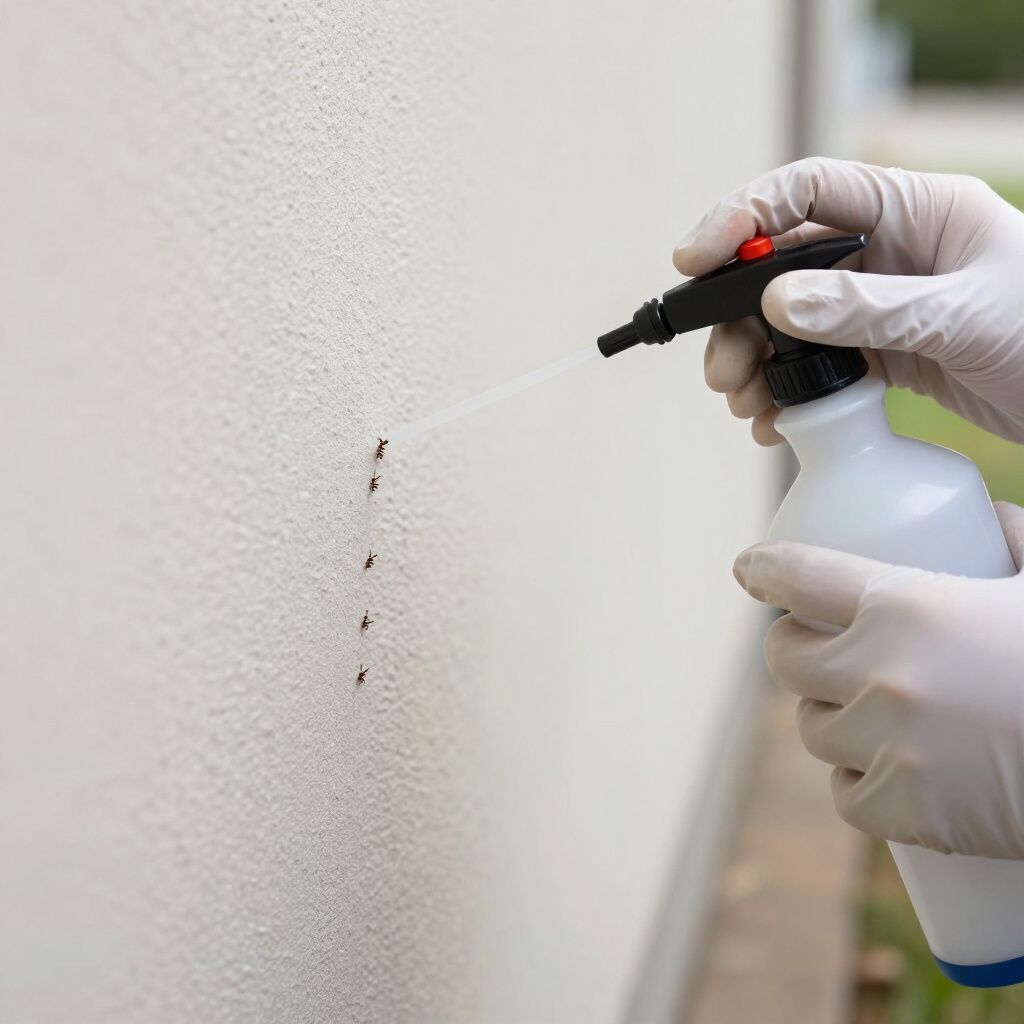
- Ant Control: Species-specific identification and baiting programs targeting carpenter ants, moisture ants, and nuisance species common to forest-edge communities.
- Rodent Control: Exterior bait station networks, entry point exclusion, and attic or crawl space remediation for Norway rats, roof rats, and deer mice.
- Spider Management: Web removal, harborage reduction, and targeted treatments for black widows, hobo spiders, and orb-weavers around eaves and outbuildings.
- Termite Inspections & Treatment: WDO inspections for real estate transactions, liquid barrier applications, and monitoring systems for subterranean termite protection.
- Stinging Insect Removal: Safe nest elimination for yellowjackets, paper wasps, and bald-faced hornets nesting in siding, soffits, or landscape features.
- Seasonal Pest Programs: Targeted interventions for spring ant swarms, summer wasp activity, fall rodent intrusion, and winter spider migration indoors.
All services integrate with DuPont's environmental sensitivities, with low-impact options available for homes near wetland buffers, the Sequalitchew Creek watershed, or areas with groundwater protection concerns.
What to Expect: Pest Control Costs in DuPont
Pest control investment varies based on property characteristics common in DuPont's diverse housing market. Understanding typical pricing structures helps homeowners budget appropriately for protection.
Initial service calls for active infestations generally range from $150 to $350, depending on pest type and treatment complexity. Ant colonies requiring interior and exterior baiting, or rodent issues demanding multiple trap placements and exclusion work, trend toward the higher end. Single-visit wasp nest removal typically falls at the lower range for accessible nests.
Recurring protection plans for DuPont homes typically run $40 to $80 monthly, or $120 to $240 quarterly, based on property size and plan comprehensiveness. These programs include scheduled exterior treatments, free re-service guarantees, and priority scheduling for unexpected issues between visits. Homes on larger lots near wooded boundaries or with extensive crawl spaces may see adjusted rates reflecting additional treatment area.
Termite services represent a separate investment tier. WDO inspection reports for real estate transactions typically cost $100 to $200. Preventative liquid barrier treatments range from $800 to $2,500 depending on linear footage and foundation configuration. Ongoing monitoring systems add $250 to $400 annually for station maintenance and inspection.
Factors increasing costs in DuPont include crawl space accessibility challenges, extensive mature landscaping requiring treatment buffer management, and homes with prior untreated infestations causing structural damage requiring coordinated repair.
Areas We Serve in and Around DuPont
Our DuPont service territory encompasses the full city limits and extends into adjacent Thurston and Pierce County communities. Within DuPont, we regularly treat homes in Northwest Landing, the Village at DuPont, Hoffman Hill, and properties along the historic district near Center Drive. We serve waterfront residences with Puget Sound access as well as interior lots backing against forested greenbelts.
Nearby communities receiving service include:
- Steilacoom
- Lakewood
- Lacey
- University Place
- Fircrest
- Yelm
We also provide regular service to Joint Base Lewis-McChord personnel living in DuPont off-base housing, and to commercial properties including the DuPont Business Center and retail corridors along Wilmington Drive.
Frequently Asked Questions
Are carpenter ants common in DuPont homes?
Yes, carpenter ants are among the most frequently reported pests in DuPont due to the abundance of mature trees, moisture-retaining forest soil, and wood construction materials. They do not eat wood but excavate galleries for nesting, causing structural damage over time. Satellite colonies often establish in wall voids and crawl spaces, making professional identification and baiting essential rather than relying on over-the-counter sprays that scatter colonies.
How does DuPont's military history affect pest patterns?
The former DuPont Works explosives manufacturing site left a legacy of varied infrastructure ages and soil conditions. Older utilities, former rail corridors, and decades of landscape maturation create unique pest highways and harborage. Some areas have undergone significant soil remediation and redevelopment, disturbing established pest populations and temporarily increasing activity in neighboring properties during construction phases.
What pest issues emerge during DuPont's wet season?
October through April brings intensified rodent pressure as rats and mice seek dry, warm shelter. Moisture ants become more visible as saturated soil drives colonies closer to foundations. Spider activity increases indoors as prey insects retreat from cold temperatures. Crawl space moisture problems worsen, promoting fungal wood decay that attracts additional pests. Proactive fall treatments significantly reduce winter infestation severity.