
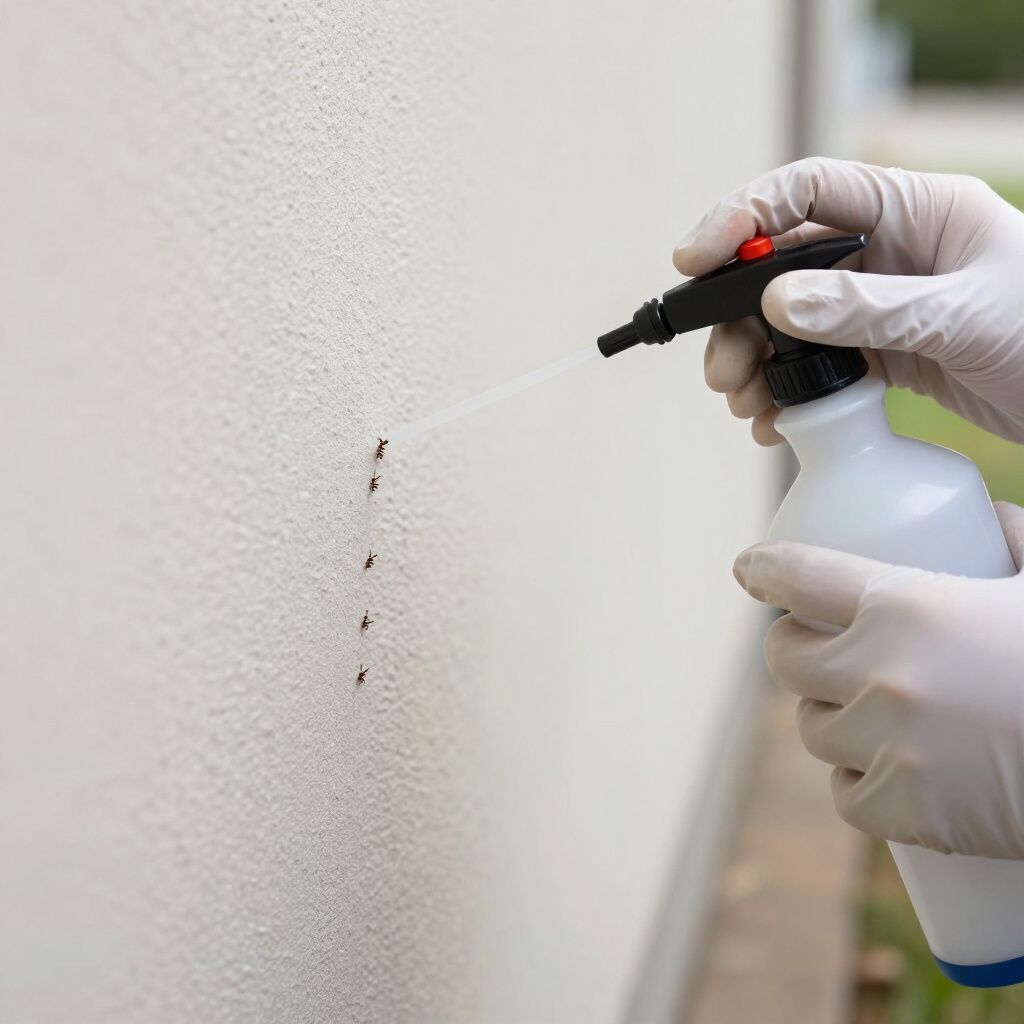

How to Choose a Pest Control Professional in Ephrata
Finding the right pest control provider in Ephrata means looking beyond generic promises and focusing on what matters for Grant County's unique environment. The Columbia Basin's arid climate, agricultural surroundings, and seasonal temperature swings create specific pest pressures that differ from western Washington's wetter regions.
Start by verifying Washington State Department of Agriculture licensing. Any legitimate operator must carry proper structural pest control credentials. Ask specifically about experience with high-desert pests—spider infestations, pocket gophers, and field rodents that migrate from surrounding farmland into residential areas differ significantly from urban pest patterns.
Request proof of integrated pest management (IPM) training. Given Ephrata's proximity to agricultural operations and the sensitive groundwater systems beneath Grant County, indiscriminate pesticide application poses real risks. Quality providers emphasize inspection, exclusion, and targeted treatments rather than blanket spraying.
Local references carry weight here. A technician familiar with Ephrata's older homes near downtown, newer developments south of Basin Street, and rural properties on the outskirts will diagnose entry points faster and recommend more durable solutions. Ask how they handle the region's notorious wind-driven pest migration during spring and fall.
Finally, clarify response protocols. With seasonal surges—particularly ant swarms in late spring and spider activity as temperatures drop—waiting two weeks for an appointment means living with an expanding problem. Reliable Ephrata providers offer emergency scheduling for active infestations.
What to Expect from Pest Control Services in Ephrata
Professional pest control follows a structured process adapted to your property's conditions. Understanding this sequence helps you prepare and evaluate service quality.
Initial inspection typically takes 45-90 minutes for residential properties. Technicians examine exterior foundation perimeters, crawl spaces, attics, utility penetrations, and landscaping features that harbor pests. In Ephrata, they pay particular attention to gaps around evaporative cooling systems, common in this dry climate, and rodent pathways from open fields.
You'll receive a written assessment identifying active pests, conducive conditions, and a tailored treatment plan with pricing. Reputable companies explain why they recommend specific approaches rather than presenting a standard package.
Treatment implementation varies by pest type. Exterior perimeter barriers target crawling insects before they enter. Baiting systems address ant colonies and rodent populations at the source. Interior spot treatments focus on harborage areas with minimal disruption to living spaces. For persistent issues like hobo spiders—common throughout Grant County—multiple visits may be necessary to break reproductive cycles.
Most providers schedule follow-up monitoring at 30-60 day intervals initially, then transition to quarterly maintenance. This rhythm aligns with Ephrata's pest biology: winter dormancy, spring emergence, summer peak activity, and fall ingress seeking shelter.
Available Pest Control Services in Ephrata
Ephrata residents can access comprehensive pest management addressing the full spectrum of regional threats.
General pest control covers the most frequent invaders: odorous house ants, pavement ants, spiders (including hobo and black widow species), centipedes, millipedes, and occasional invaders like boxelder bugs. These programs typically operate on quarterly or bi-monthly schedules with unlimited callbacks between scheduled visits.
Rodent control demands particular attention in this agricultural interface zone. Services include trapping, exclusion sealing, and population management for deer mice, house mice, and Norway rats. Given hantavirus concerns in eastern Washington, professional handling of rodent cleanup is strongly advised.
Termite and wood-destroying organism inspections support real estate transactions and preventive maintenance. While subterranean termite pressure is moderate compared to western Washington, localized infestations occur, and proper identification distinguishes them from carpenter ants or moisture-damage mimicry.
Seasonal and specialty services address wasp and hornet nest removal, bed bug elimination, tick and flea treatments for pet-owning households, and gopher control for properties bordering open land. Some providers offer agricultural pest consultation for small acreages transitioning from commercial crop production.
Frequently Asked Questions
How often should Ephrata homes receive pest control service?
Quarterly service suits most Ephrata residences, with bi-monthly recommended for properties near agricultural fields, those with previous heavy infestations, or households with spider sensitivity. Monthly service is rarely necessary except during active eradication phases.
Are pest control treatments safe around children and pets?
Licensed providers use EPA-registered products applied according to label specifications that account for occupancy. Modern formulations target pest physiology with minimal mammalian toxicity. Technicians will specify re-entry intervals—typically 2-4 hours for liquid applications, less for baits in secured stations.
Why do spiders seem worse in Ephrata than other parts of Washington?
The Columbia Basin's dry climate favors spider species adapted to arid conditions. Hobo spiders, in particular, thrive here and are frequently misidentified as brown recluses (which do not occur in Washington). Reduced humidity also means less natural suppression of spider populations compared to western Washington's wetter environment.