

How to Choose a Pest Control Professional in Everett
Finding the right pest control provider in Everett means looking beyond flashy advertising to evaluate what actually matters for your property. Snohomish County's damp maritime climate creates unique pest pressures that differ from drier regions of Washington, so local expertise should top your checklist.
Start by confirming licensing through the Washington State Department of Agriculture. Every legitimate operator must carry a structural pest inspector license and appropriate pesticide applicator certifications. Ask for proof—reputable companies provide this without hesitation.
Experience with Everett's specific pest patterns matters considerably. The city's location along Port Gardner Bay and the Snohomish River delta means homes and businesses contend with moisture-driven infestations: carpenter ants thriving in water-damaged wood, rodents exploiting aging sewer connections near the waterfront, and subterranean termites spreading through established neighborhoods with mature landscaping.
Evaluate their integrated pest management approach. The best professionals emphasize inspection accuracy, exclusion techniques, and targeted treatments rather than blanket chemical applications. This proves especially important near Everett's environmentally sensitive areas like Jetty Island and the Snohomish River estuary, where runoff concerns restrict certain treatment methods.
Request detailed written estimates comparing service scopes, not just bottom-line prices. Understand whether quotes cover single treatments, seasonal programs, or ongoing monitoring agreements. Clarity here prevents surprises when carpenter ants return in spring or rodents resume autumn migration indoors.
What to Expect from Pest Control Services in Everett
Professional pest management follows a structured protocol refined for Pacific Northwest conditions. Understanding this process helps you prepare and evaluate service quality.
Initial inspection typically consumes 45-90 minutes for residential properties, longer for commercial facilities. Technicians examine foundation perimeters, crawl spaces, attics, moisture-prone areas, and potential entry points. In Everett's older homes—common in neighborhoods like Bayside and Riverside—expect particular attention to original construction vulnerabilities: gaps around cast iron plumbing, deteriorated sill plates, and insufficient vapor barriers.
Documentation and diagnosis follows, with findings explained in accessible terms. Quality providers identify the pest species present, contributing conditions, and infestation extent. They should distinguish between active problems and evidence of past activity, avoiding unnecessary treatments.
Treatment implementation varies by pest and property. Exterior perimeter applications, interior crack-and-crevice treatments, baiting systems, or physical exclusion work may apply alone or in combination. Everett's frequent rainfall influences timing—many exterior treatments require dry windows for optimal effectiveness, so scheduling flexibility matters.
Follow-up and monitoring complete professional service. Rodent programs include trap checking schedules. Termite treatments involve annual inspections. General pest control often recommends quarterly or bi-monthly maintenance given our region's mild winters that extend pest activity year-round.
Available Pest Control Services in Everett
Providers throughout Snohomish County offer comprehensive solutions addressing the region's predominant pest challenges:
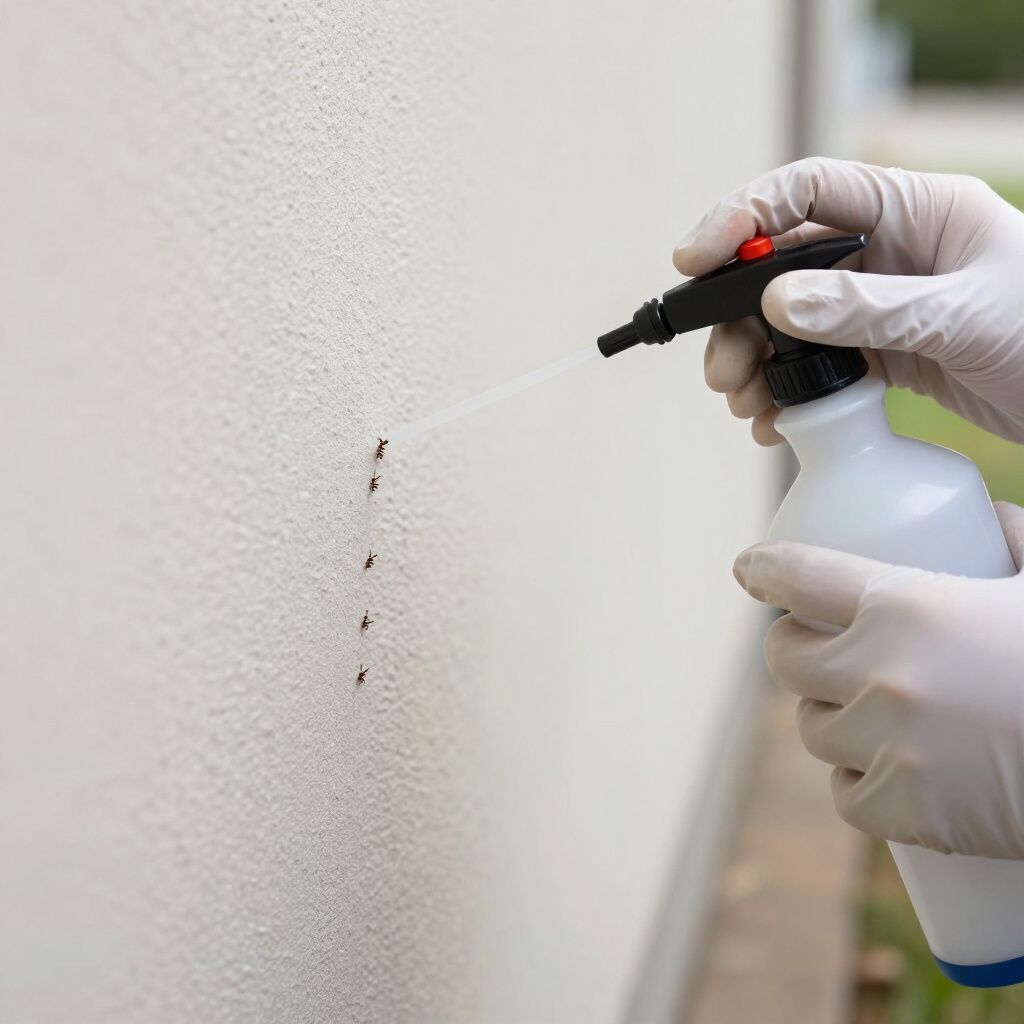
- Ant control — Carpenter ants, moisture ants, and odorous house ants represent Everett's most frequent residential complaint, requiring species-specific strategies
- Rodent management — Norway rats, roof rats, and house mice infestations demand integrated trapping, exclusion, and sanitation approaches
- Spider control — Hobo spiders and giant house spiders, while generally harmless, create significant homeowner anxiety warranting perimeter management
- Wasp and hornet removal — Aggressive yellowjackets and bald-faced hornets nest in eaves, ground cavities, and wall voids through summer months
- Termite protection — Western subterranean termite pressure increases in mature Everett neighborhoods with established colonies
- Moisture pest management — Silverfish, springtails, and sow bugs indicate underlying humidity issues common in crawl spaces throughout the area
- Bed bug elimination — Multi-unit housing and travel connections through Paine Field and I-5 corridor sustain occasional introductions
- Commercial pest programs — Customized plans for restaurants, warehouses, healthcare facilities, and manufacturing operations
Frequently Asked Questions
How quickly should I address pest problems in Everett?
Prompt action prevents escalation. Carpenter ants and rodents cause structural damage that compounds with time. Moisture pests signal conditions that worsen seasonally. Most providers offer urgent appointment slots for active infestations.
Are pest control treatments safe around children and pets?
Modern application methods minimize exposure risks. Reputable technicians explain necessary precautions—typically brief evacuation periods for interior treatments and keeping pets off treated surfaces until dry. Many products used today target specific pest physiology, reducing broad toxicity concerns.
Why do pests persist year-round in Everett?
Our moderated coastal climate prevents the hard freezes that naturally suppress pest populations elsewhere. Winter temperatures rarely drop enough to kill established colonies, and heated structures provide refuge when outdoor conditions turn cool and wet.
Can I handle pest problems myself?
Minor ant trails or single wasp nests sometimes respond to consumer products. However, recurring issues, structural pests like carpenter ants or termites, and rodent infestations warrant professional intervention for effective resolution and damage prevention.
How do I prepare my home for pest control service?
Preparation varies by treatment type. Generally: clear floor areas for access, store food securely, secure pets, and note specific observation locations for technician attention. Your provider should supply detailed instructions tailored to your scheduled service.