
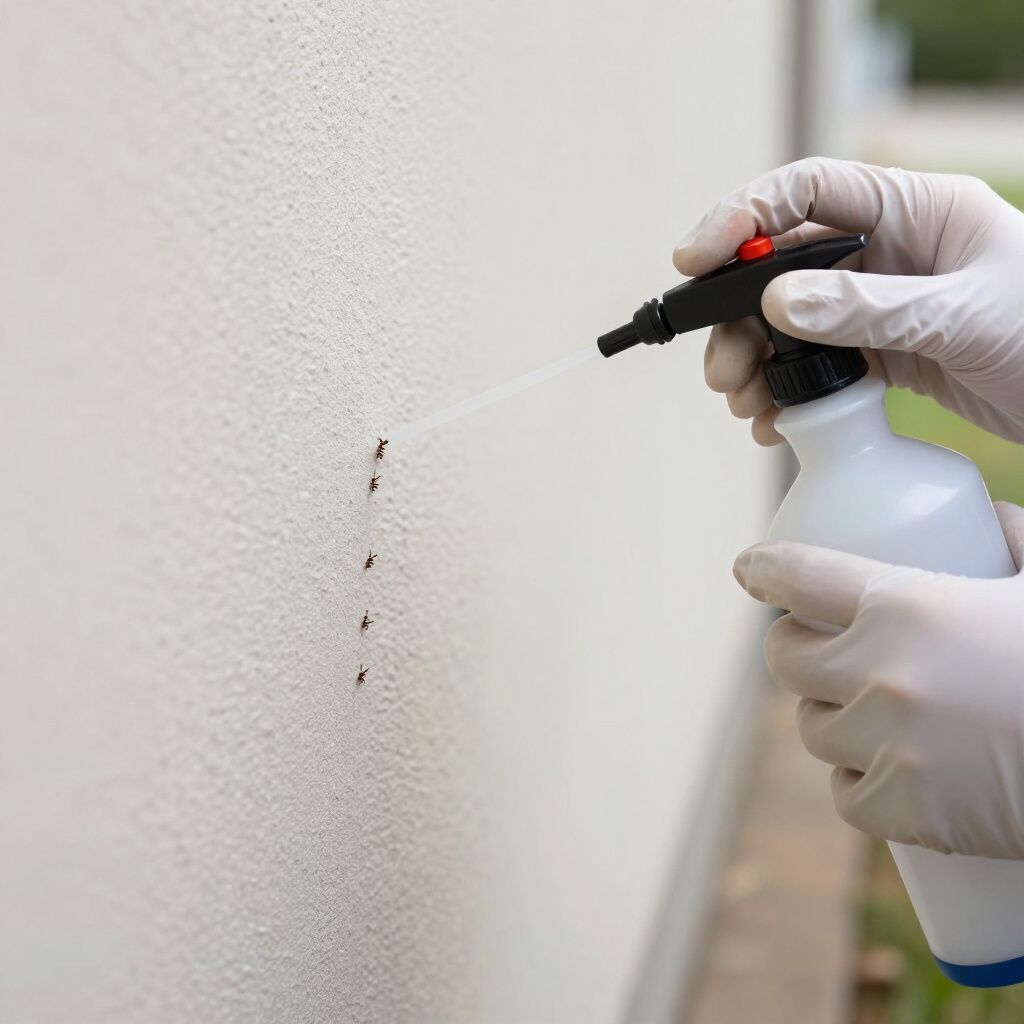

How to Choose a Pest Control Professional in Monroe
Finding the right pest control provider in Monroe means looking beyond flashy advertising to what actually matters for Snohomish County properties. The Pacific Northwest climate creates unique challenges that not every national chain understands.
Start with licensing verification. Washington State requires all pest control operators to hold a license through the Washington State Department of Agriculture. Ask for proof and verify it online—this protects you from uninsured work and improper pesticide application.
Local experience counts significantly in Monroe. Technicians familiar with Skykomish River Valley moisture patterns, wooded lots near Lake Tye, and the seasonal ant swarms that hit Snohomish County each spring will diagnose problems faster. They'll know when carpenter ants are active versus when rodents seek shelter from fall rains.
Request an inspection before any treatment commitment. Reputable Monroe pest control companies assess your specific situation—foundation type, moisture levels, entry points, and surrounding vegetation—rather than pushing standardized packages. Get written estimates from multiple providers and compare what's actually included: follow-up visits, warranty terms, and whether prevention measures are part of the service.
Ask about integrated pest management (IPM) approaches. The best professionals in Monroe prioritize mechanical controls, habitat modification, and targeted treatments over blanket chemical applications—especially important for homes near wetlands or with children and pets.
What to Expect from Pest Control Services in Monroe
Your first service visit typically begins with a thorough exterior and interior inspection. The technician examines crawl spaces, attics, foundation perimeters, and moisture-prone areas common in Monroe's older homes near downtown and newer developments alike.
After identifying pest species and infestation extent, you'll receive a treatment plan detailing methods, products, and expected timeline. Most Monroe residential treatments require 45 minutes to 2 hours depending on property size and problem complexity. Technicians should explain safety precautions, re-entry timelines, and any preparation needed—like removing pet dishes or covering aquariums.
Follow-up scheduling varies by pest type. Rodent control often needs 2-3 visits to seal entry points and monitor trap activity. Seasonal ant treatments may include quarterly maintenance given Monroe's persistent moisture. Wasp nest removal is typically resolved in a single visit.
Documentation matters. Quality providers leave service reports noting findings, treatments applied, and recommendations for preventing recurrence. This proves invaluable if problems persist or you sell your Monroe home.
Available Pest Control Services in Monroe
Monroe residents can access comprehensive pest management addressing the region's most prevalent problems:
- Ant control – Carpenter ants, odorous house ants, and moisture ants thrive in Snohomish County's damp environment. Treatments target colonies, not just visible foragers.
- Rodent exclusion and control – Rats and mice exploit Monroe's mix of rural and suburban landscapes. Services include trapping, entry point sealing, and sanitation guidance.
- Spider management – Hobo spiders and giant house spiders frequent basements and crawl spaces. Professional treatment reduces populations while addressing the insects they prey upon.
- Wasp and hornet removal – Nests under eaves, in attics, or near outdoor living spaces require safe elimination, especially during peak summer activity.
- Termite and moisture pest inspection – Pacific dampwood termites and destructive moisture ants threaten structural integrity. Early detection prevents costly repairs.
- Bed bug treatment – Heat remediation and targeted insecticide applications eliminate infestations in single-family homes, apartments, and multi-unit buildings.
- Wildlife management – Raccoons, squirrels, and bats occasionally invade attics. Humane exclusion and prevention services resolve conflicts legally and effectively.
- Commercial pest control – Restaurants, warehouses, and retail spaces along Highway 2 and in Monroe's commercial districts receive customized programs meeting health department standards.
Many Monroe providers offer ongoing protection plans with scheduled inspections and preventive treatments, particularly valuable for properties near the Skykomish River, forested areas, or with history of recurring problems.
Frequently Asked Questions
How much does pest control cost in Monroe, WA?
Most Monroe homeowners pay between $150-$350 for initial treatment of common pests like ants or spiders. Rodent control typically runs $250-$500 including exclusion work. Ongoing maintenance plans average $40-$80 monthly. Severe infestations or bed bugs require specialized pricing based on inspection.
Are pest control treatments safe for pets and children?
Licensed Monroe technicians apply EPA-registered products following strict label directions. They'll advise specific re-entry times—usually 2-4 hours after liquid applications dry. Many providers now offer reduced-risk and botanical options. Always inform your technician about household members with respiratory sensitivities or aquariums.
What pests are most common in Monroe homes?
Carpenter ants dominate spring and summer calls due to Snohomish County's moisture. Rodents surge in fall. Spiders remain year-round concerns in basements and crawl spaces. Moisture ants and occasional termite activity affect older homes near the river. Wasps peak July through September.
How quickly can a pest control company respond in Monroe?
Most local providers offer next-day or within 48-hour service for standard pest issues. Emergency situations—severe wasp nests, aggressive rodent infestations, or bed bugs—often receive same-day response. Weekend availability varies by company.
Do I need pest control year-round in Monroe?
While winter activity slows, pests don't disappear entirely. Rodents actively seek shelter. Overwintering spiders and ants remain in wall voids. Spring moisture drives carpenter ant mating swarms. Year-round monitoring prevents small problems from becoming major infestations during peak seasons.