

Common Pest Control Problems in Sultan
Sultan sits along the Skykomish River in the Cascade foothills, and that combination of water access, dense vegetation, and damp Pacific Northwest conditions creates persistent pest pressure that homeowners can't ignore. The lush forests and river corridors surrounding the city serve as highways for rodents, while the moisture-rich environment fuels thriving ant, spider, and stinging insect populations.
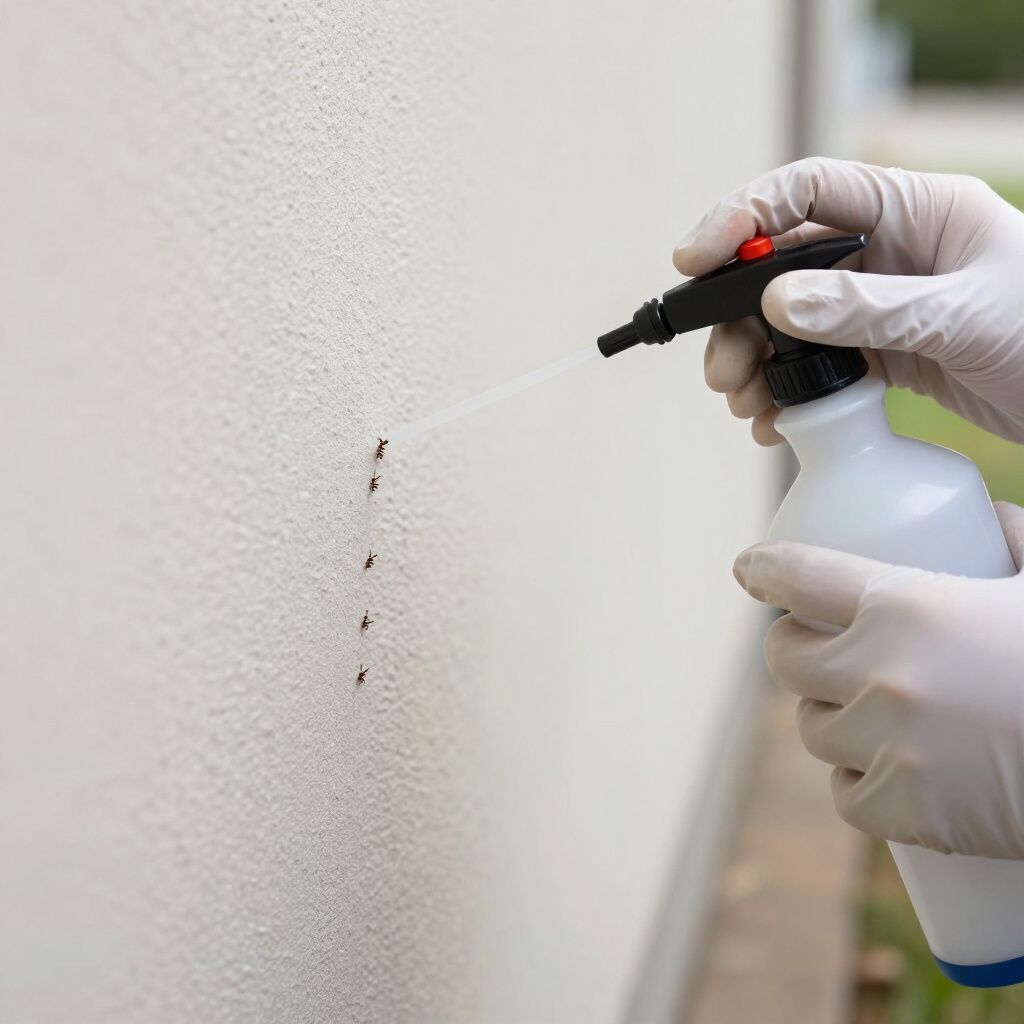
Odorous house ants and moisture ants rank among the most frequent complaints. These species exploit the humid conditions in crawl spaces, around foundation perimeters, and within wall voids of older homes near the river. Carpenter ants pose a more destructive threat, tunneling through damp or decaying wood—common in this high-precipitation zone where roof leaks and poor ventilation create ideal conditions.
Rodent activity intensifies as temperatures drop each fall. Deer mice, Norway rats, and roof rats move from wooded hillsides and riverbanks into Sultan homes, seeking warmth and food. Rural properties with outbuildings, chicken coops, or fruit trees face compounded challenges. Meanwhile, wasp and yellow jacket nests reach peak activity in late summer, often building in eaves, attics, and dense shrubbery along property edges.
Spiders—including the region's concerning hobo and giant house spider populations—favor the undisturbed, humid corners of basements and garages common in this area.
How We Help Sultan Homeowners
Our approach addresses the root conditions that attract pests to Sultan properties rather than simply treating symptoms. We begin with thorough inspections that account for the unique environmental factors here: river proximity, elevation changes, forested boundaries, and the prevalence of older construction with aging moisture barriers.
For ant and carpenter ant issues, we identify and eliminate moisture sources, treat nesting sites with targeted applications, and establish protective barriers around foundation perimeters. Rodent programs combine exterior baiting and trapping with structural exclusion—sealing entry points as small as a quarter-inch that mice exploit to access crawl spaces and attics.
Our seasonal wasp and yellow jacket protocols remove active nests safely and apply residual treatments to prevent reestablishment in the same locations. Spider management focuses on reducing the insect prey that sustains populations, combined with targeted treatments to harborage areas.
We coordinate treatments around your schedule and provide detailed reports showing what we found, what we did, and what you can do between visits to maintain protection.
Pest Control Services Available in Sultan
- Residential Pest Control — Ongoing protection plans tailored to Sultan's specific pest pressures and seasonal patterns
- Ant Control — Odorous house ants, moisture ants, carpenter ants, and pavement ants
- Rodent Control — Mice and rat elimination with exclusion work and population monitoring
- Spider Control — Reduction of hobo spiders, giant house spiders, and web-building species
- Stinging Insect Removal — Wasp, yellow jacket, and hornet nest removal
- Moisture Pest Management — Targeted solutions for pests thriving in damp crawl spaces and basements
- Seasonal Perimeter Treatments — Preventive barriers applied spring through fall
- One-Time Emergency Services — Rapid response for active infestations requiring immediate attention
Pest Control Pricing in the Sultan Area
Pest control costs in Sultan reflect property size, infestation severity, and the surrounding environmental complexity. Most single-family homes in the area fall between standard residential pricing tiers, though riverfront properties and those backing against forested hills may require more intensive initial treatments due to elevated exterior pest pressure.
One-time treatments for specific issues like ant trails or visible wasp nests typically range from $150 to $350. Recurring protection plans, which most Sultan homeowners select given the year-round pest pressure, generally run $400 to $700 annually depending on service frequency and property acreage. Rodent programs involving exclusion work and follow-up monitoring represent a higher initial investment but reduce long-term recurrence costs.
We provide itemized quotes after inspection so you understand exactly what each service includes—never blanket pricing that doesn't account for your property's actual conditions.
Frequently Asked Questions
Why are carpenter ants so common in Sultan homes?
The combination of heavy rainfall, forested surroundings, and frequent moisture intrusion into crawl spaces and wall voids creates ideal carpenter ant habitat. These ants don't eat wood but excavate galleries in damp or decaying timber, making homes near the Skykomish River especially susceptible. Regular moisture control and perimeter treatments significantly reduce risk.
How often should I schedule pest control service in Sultan?
Most properties benefit from quarterly service given the extended mild seasons and minimal hard freezes that allow pest populations to persist. Homes with severe moisture issues, extensive wooded boundaries, or history of rodent problems may need bi-monthly visits during peak activity periods.
Do you treat agricultural or rural properties with outbuildings?
Yes. Many Sultan properties include barns, shops, detached garages, or livestock areas that require integrated management. We develop customized protocols that address multiple structures while considering livestock safety, feed storage, and the movement patterns of rodents between outbuildings and the main residence.