
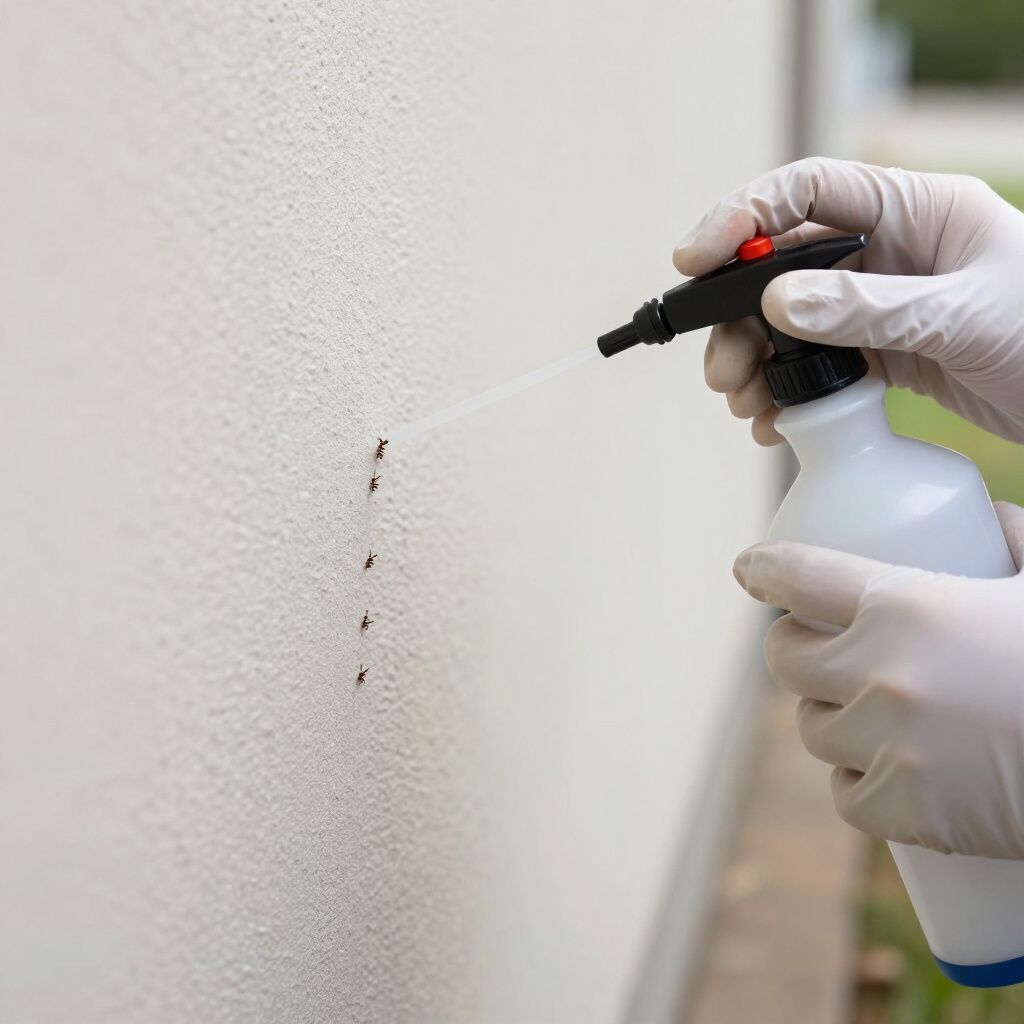

How to Choose a Pest Control Professional in Newcastle
Finding the right pest control provider in Newcastle means looking beyond generic promises. King County's unique climate—wet winters, mild summers, and dense evergreen canopy—creates specific pest pressures that differ from drier parts of Washington State.
Start with local licensing and credentials. Washington State requires structural pest inspectors and applicators to hold licenses through the Department of Agriculture. Any contractor working in Newcastle should readily provide their license number and proof of insurance covering both general liability and workers' compensation.
Experience with King County's specific pest patterns matters significantly. Newcastle's proximity to Lake Boren and the surrounding greenbelts means moisture-seeking pests thrive here. Ask prospective companies how they handle:
- Moisture ant infestations in crawl spaces and foundation perimeters
- Carpenter ant colonies in cedar and fir structures common throughout Eastside communities
- Rodent pathways from greenbelts into residential neighborhoods
- Seasonal wasp and yellowjacket nest development
Request a written inspection report before committing to treatment. Reputable providers in Newcastle will document active pest signs, conducive conditions, and a customized plan rather than pushing one-size-fits-all quarterly sprays.
What to Expect from Pest Control Services in Newcastle
Professional pest management follows a structured approach that adapts to your property's specific situation.
Initial Inspection: A thorough technician examines your Newcastle home's exterior perimeter, foundation, crawl space access, attic if relevant, and interior hotspots. They identify pest species, entry points, moisture issues, and harborage areas. For Newcastle properties, this often reveals hidden carpenter ant galleries in deck posts, subterranean termite mud tubes near foundation soil lines, or rodent gnaw marks where utility lines penetrate walls.
Treatment Implementation: Depending on findings, your technician applies targeted solutions. This might include perimeter barrier applications using reduced-risk products approved for King County watershed protection, baiting systems for social insects like ants, mechanical exclusion to seal entry points, or trapping programs for rodents. Integrated Pest Management (IPM) approaches prioritize non-chemical methods first.
Follow-Up and Monitoring: Most Newcastle pest issues require return visits. Carpenter ant programs typically need 30-day rechecks. Rodent control demands multiple trap checks and exclusion verification. Your provider should schedule these proactively rather than leaving you to detect ongoing problems.
Available Pest Control Services in Newcastle
Residential and commercial property owners in Newcastle can access comprehensive pest management solutions:
- Ant Control: Carpenter ants, moisture ants, odorous house ants, and pavement ants—each requiring distinct treatment strategies
- Rodent Management: Roof rat, Norway rat, and house mouse programs with exclusion work
- Stinging Insect Removal: Wasp, hornet, and yellowjacket nest elimination, including aerial nests in Newcastle's mature trees
- Spider Reduction: Hobo spiders, giant house spiders, and orb-weaver management around eaves and landscaping
- Occasional Invaders: Silverfish, earwigs, millipedes, and pillbugs common in damp Pacific Northwest conditions
- Wildlife Management: Raccoon, squirrel, and bat exclusion following Washington Department of Fish and Wildlife guidelines
- Preventive Maintenance: Seasonal perimeter programs designed for King County's pest calendar
Many Newcastle homes benefit from crawl space and moisture control bundled with pest services, since damp substructures attract both wood-destroying organisms and general nuisance pests.
Frequently Asked Questions
How often should Newcastle homes receive pest control service?
Most King County properties benefit from quarterly perimeter maintenance, though active infestations may require monthly visits initially. Homes backing directly onto Newcastle's greenbelts or Lake Boren often need more frequent monitoring due to higher pest pressure from natural corridors.
Are pest treatments safe for pets and Lake Boren watershed protection?
Licensed applicators in Newcastle use products selected for reduced environmental impact, applying them precisely to minimize runoff risk. Washington State regulations prohibit certain treatments near waterways. Reputable providers follow Department of Ecology guidelines for King County watershed protection.
What's the difference between carpenter ants and termites in Newcastle?
Western subterranean termites do occur in King County but are less common than carpenter ants. Carpenter ants don't consume wood—they excavate galleries for nesting, leaving sawdust-like frass. Termites eat cellulose and build mud tubes. Proper identification determines whether you need targeted ant baiting or termite soil treatment, making professional inspection essential.