
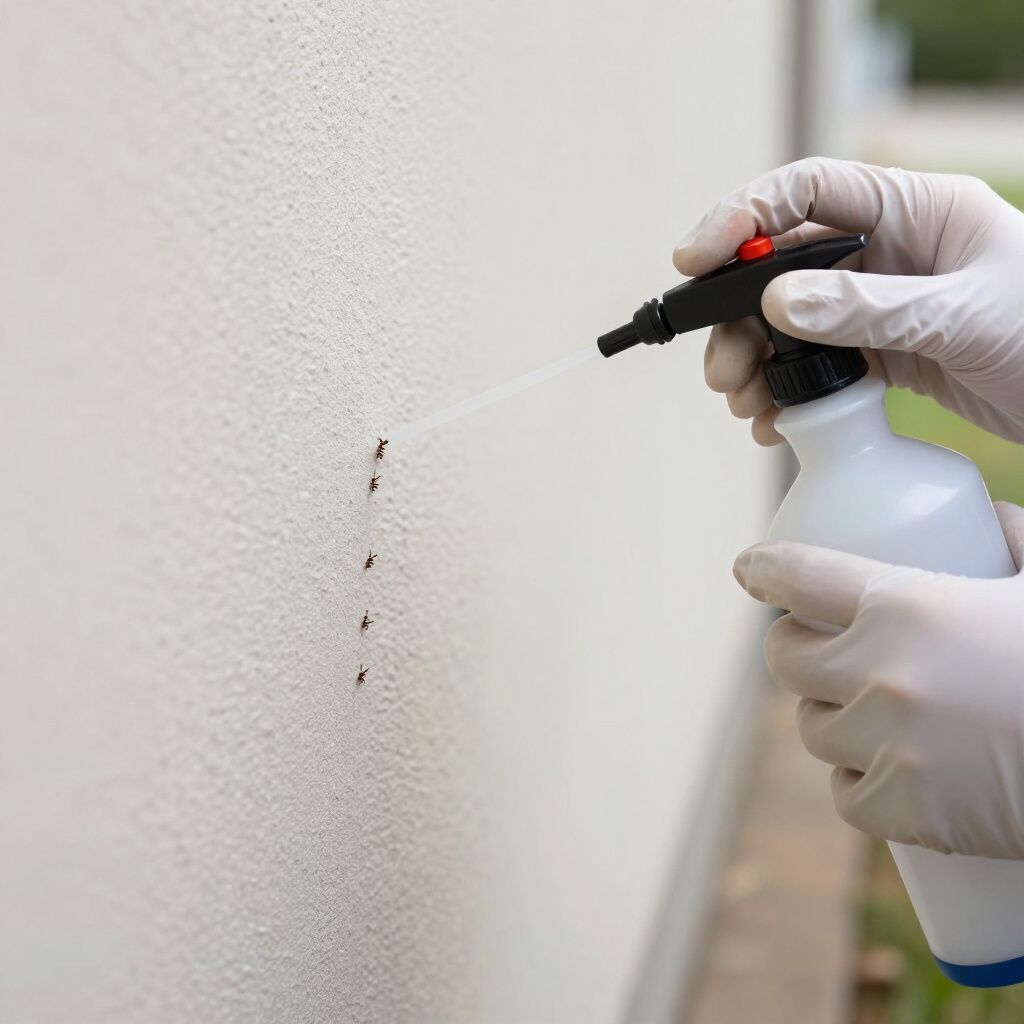

Pest Control Services in Sammamish, WA
Sammamish sits on the Sammamish Plateau between Lake Sammamish and the Snoqualmie Valley, surrounded by dense Pacific Northwest forestland. This elevated, wooded setting creates ideal conditions for pests that thrive in cool, moist environments with abundant tree cover and wildlife corridors. Homeowners throughout the Trossachs, Beaver Lake, and Pine Lake neighborhoods face ongoing challenges from pests that move freely between protected wetlands, greenbelts, and residential properties.
The city's commitment to preserving natural areas means limited clear-cutting and maintained forest buffers around many communities. While this preserves Sammamish's exceptional quality of life, it also sustains robust pest populations. Carpenter ants tunnel through moisture-damaged wood in homes near mature cedar and Douglas fir stands. Rodents follow creek drainages from the Sammamish River corridor into crawl spaces and attics during fall and winter months. Subterranean termites remain active in the plateau's clay-loam soils, particularly in older neighborhoods built during the 1990s development boom.
Seasonal pest pressures shift distinctly across Sammamish's microclimates. Lake-adjacent properties experience higher mosquito and spider activity from spring through early autumn. Higher-elevation homes near the Cascade foothills face extended wasp season and increased wildlife intrusion from raccoons and opossums. The city's rapid growth has also introduced new construction pests, with disturbed soil driving temporary surges in ground-nesting yellow jackets and soil-dwelling insects.
Effective pest management in Sammamish requires understanding these localized patterns. Treatment approaches differ significantly between a Beaver Lake waterfront property and a newer construction home in the Klahanie area. Integrated pest management strategies that account for the plateau's unique ecology, wildlife regulations, and homeowner association guidelines produce lasting results without unnecessary chemical application.
Frequently Asked Questions About Pest Control in Sammamish
What pests are most common in Sammamish homes?
Carpenter ants rank as the most frequently reported pest due to the abundance of decaying wood in forested lots and moisture retention in the plateau's clay soils. Rodents, particularly roof rats and deer mice, follow greenbelt corridors into attics and crawl spaces during cooler months. Spiders, including giant house spiders and hobo spiders, proliferate in basements and garages with consistent humidity. Subterranean termites affect older homes, especially those built before widespread pre-treatment protocols. Seasonally, wasps and yellow jackets nest in eaves and underground cavities, while moles and voles damage lawns and landscaping throughout the plateau.
How does Sammamish's forested environment affect pest control approaches?
The surrounding woodlands create continuous pest pressure that differs from more urbanized King County areas. Exterior perimeter treatments must account for heavy organic debris, thick mulch beds, and unmaintained vegetation that harbor pests. Interior treatments often focus on entry points where tree branches contact roofs or where utility penetrations exist. Wildlife management requires compliance with Washington Department of Fish and Wildlife regulations, particularly for protected species like bats that roost in Sammamish's mature trees and occasionally enter structures. Moisture control becomes central to long-term management, as the plateau's elevation and tree cover limit sun exposure that would otherwise reduce pest habitat.
Are there HOA restrictions on pest control treatments in Sammamish?
Many Sammamish neighborhoods, particularly in planned communities like Klahanie, Trossachs, and Beaver Lake, maintain homeowners associations with landscaping and exterior treatment guidelines. Some HOAs restrict visible bait stations, require notification before exterior applications, or mandate use of specific product categories near common areas. Lakefront properties may face additional restrictions through Lake Sammamish watershed protections. Professional pest control providers familiar with local HOA documentation can coordinate treatment timing and methods to maintain compliance while addressing infestations effectively.
When should Sammamish homeowners schedule preventive pest control?
March through May represents the critical window for carpenter ant prevention before colony expansion accelerates with warming temperatures. August and September treatments target wasp and yellow jacket nests before queens seek overwintering shelter. October rodent exclusion prevents entry before breeding season peaks in late autumn. For subterranean termites, spring soil treatments align with swarming periods when reproductive activity is most visible. Given Sammamish's extended cool season, maintaining year-round monitoring with quarterly service visits typically provides the most reliable protection against the plateau's persistent pest pressure.