
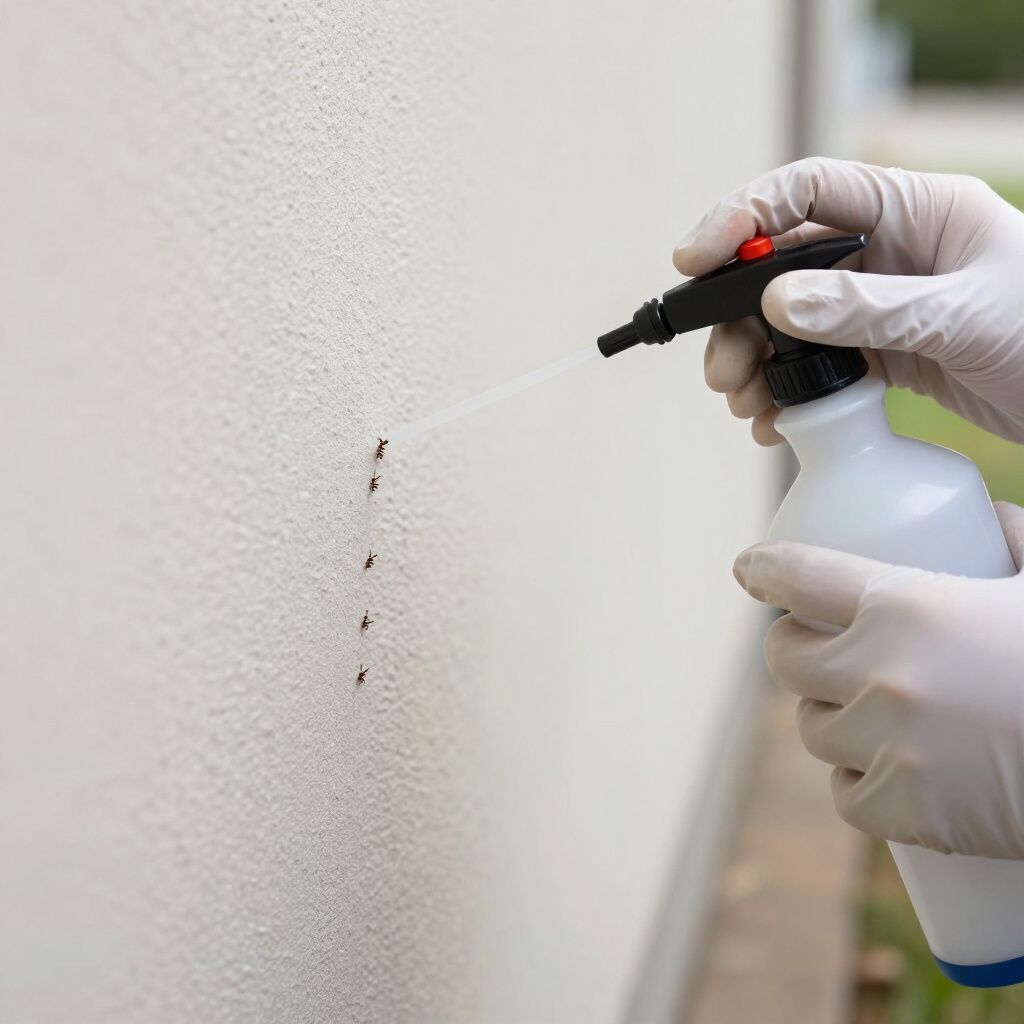

Pest Control Services in Bainbridge Island, WA
Bainbridge Island sits in the heart of Puget Sound, surrounded by saltwater on all sides and blanketed by dense Pacific Northwest forest. This island geography creates a distinct pest pressure profile unlike mainland Kitsap County communities. The maritime climate brings mild, wet winters and cool summers that keep moisture-loving pests active nearly year-round, while the limited bridge access means pest populations can become entrenched without regular management.
Homeowners throughout Winslow, Rolling Bay, and Manitou Beach face recurring challenges with carpenter ants, moisture ants, and rodents that thrive in the island's mature cedar and fir forests. The older homes common in neighborhoods like Fort Ward and Crystal Springs provide ideal harborage with crawl spaces, attics, and gaps in original construction. Meanwhile, newer developments near Lynwood Center and Island Center encounter different pressures as land clearing disturbs established wildlife corridors and forces pests to seek new shelter.
Our technicians understand Bainbridge Island's unique regulatory environment, including the city's strong environmental protections and the sensitive watershed areas that drain directly into Puget Sound. Treatment plans account for these constraints, emphasizing targeted applications, exclusion work, and habitat modification over broad chemical treatments whenever possible. This approach protects the island's orca-salmon food web while still delivering effective pest elimination.
Seasonal patterns on the island differ from Seattle or Bremerton due to the moderating influence of surrounding water. Spring ant swarms often begin in March, weeks earlier than inland areas. Fall rodent pressure builds gradually through October and November as temperatures drop. Subterranean termite activity, though less common than carpenter ant damage, requires specialized monitoring given the island's established wooden structures and abundant moisture.
Commercial properties face their own challenges. The island's restaurants, wineries, and agritourism operations must maintain strict pest-free standards while operating in an environment where organic and sustainable practices are community expectations. Warehouses and marine businesses along the industrial waterfront contend with unique shipping-related pest introductions.
Frequently Asked Questions
Are carpenter ants worse on Bainbridge Island than other parts of Kitsap County?
Yes, the combination of mature second-growth forest, high rainfall, and abundant wooden structures creates exceptional carpenter ant habitat. Island homes with cedar shake roofs, wood siding, and crawl spaces with inadequate ventilation face particularly heavy pressure. The big difference from mainland Kitsap is that island ant colonies can remain active longer into winter due to moderated temperatures, and the water barrier limits natural predator movement that might otherwise control populations.
How does island geography affect rodent control strategies?
Bainbridge Island's isolation means Norway rat and house mouse populations are essentially closed systems—new introductions come primarily through ferry traffic and construction materials rather than natural migration. This allows for more definitive population management once entry points are sealed. However, the island's deer mice and other native rodents require different approaches, and waterfront properties must account for Norway rats traveling along mooring lines and docks. Our strategies emphasize structural exclusion first, followed by targeted trapping and judicious bait station placement away from wildlife corridors.
What pest control restrictions apply near Bainbridge Island's shorelines and wetlands?
The city enforces critical area ordinances protecting shoreline buffers, wetlands, and stream corridors. Many properties fall within these regulated zones where broadcast pesticide applications are prohibited or severely restricted. We use alternative methods in these sensitive areas: physical barriers, pheromone monitoring, heat treatment for localized infestations, and precise crack-and-crevice applications with low-toxicity formulations. Our technicians map treatment boundaries carefully and can coordinate with city environmental staff when properties border protected areas.