
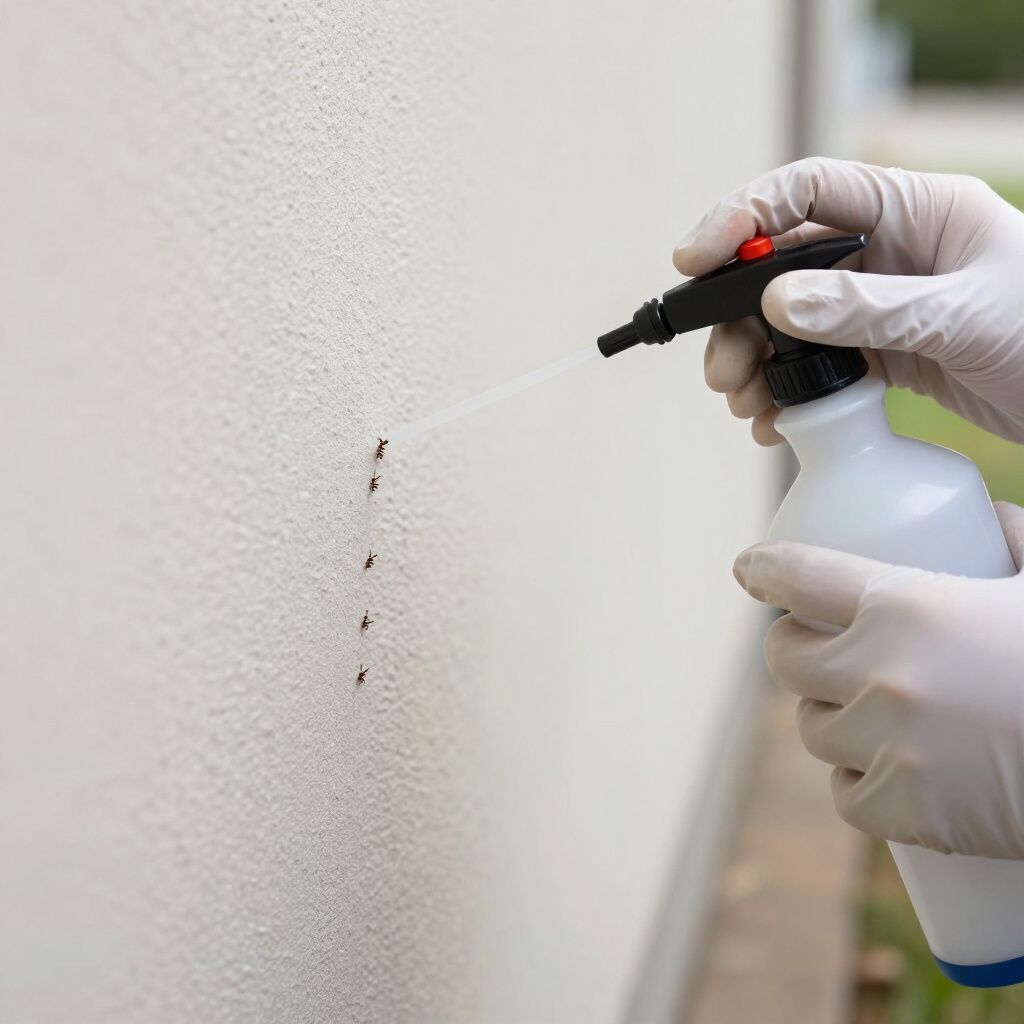

Pest Control Services in Bremerton, WA
Bremerton's unique position on the Kitsap Peninsula, surrounded by Puget Sound waters and dense Pacific Northwest forests, creates ideal conditions for a wide range of pests. The city's marine climate—characterized by mild, wet winters and dry summers—allows pests to remain active year-round, making professional pest management essential for homeowners and businesses throughout Kitsap County.
From historic neighborhoods near downtown to newer developments in East Bremerton and the waterfront communities along Sinclair Inlet, each area presents distinct pest challenges. Our technicians understand how Bremerton's topography, aging housing stock, and proximity to natural areas influence pest behavior and entry patterns.
Common Pest Issues in Bremerton
Moisture-loving pests thrive in Bremerton's environment. Carpenter ants pose significant threats to wooden structures, particularly in homes built before 1980 with untreated lumber. Odorous house ants invade kitchens and bathrooms seeking water sources during dry summer months. Subterranean termites, though less prevalent than in warmer climates, establish colonies in crawl spaces with poor ventilation.
Rodent pressure intensifies each fall as Norway rats and roof rats migrate from waterfront areas, shipyards, and undeveloped parcels into residential neighborhoods. Mice exploit gaps in foundation walls common in Bremerton's hillside homes. Spider populations, including giant house spiders and hobo spiders, peak in late summer when males actively wander indoors.
Stinging insects present seasonal concerns. Yellow jackets nest in wall voids and underground cavities throughout Bremerton's established neighborhoods. Paper wasps construct umbrella-shaped nests under eaves, particularly on south-facing exposures. Bald-faced hornets, more aggressive than other species, build aerial nests in trees and shrubs common in yards bordering greenbelts.
Commercial Pest Solutions for Bremerton Businesses
Bremerton's diverse commercial landscape—from waterfront restaurants and maritime operations to healthcare facilities near Naval Hospital and retail corridors along Wheaton Way—requires specialized pest programs. Food service establishments face stringent health department standards, while military contractors and shipyard support businesses must maintain pest-free environments for security and operational readiness. Integrated pest management approaches prioritize prevention, reducing reliance on chemical treatments in sensitive facilities.
Frequently Asked Questions About Pest Control in Bremerton
Why do I have more ant problems in my Bremerton home than I did in other places I've lived?
Bremerton's combination of abundant moisture, mature tree canopy, and mild temperatures creates perfect conditions for carpenter ants and moisture ants. Many homes here sit on forested lots that were cleared decades ago, leaving decaying root systems and buried wood that serve as natural ant harborage. The proximity to Puget Sound also means less temperature variation, so ant colonies remain active longer into fall and start earlier in spring than in inland areas. Homes with cedar shake roofs or wood siding are particularly attractive to carpenter ants seeking nest sites.
How does living near the Bremerton shipyard or waterfront affect pest risks?
Waterfront and shipyard-adjacent properties experience elevated rodent pressure due to the concentration of food sources, hiding places, and transportation corridors. Rats travel along bulkheads, through storm drainage systems, and along utility lines connecting industrial and residential zones. Properties within several blocks of the waterfront often require more frequent exterior baiting stations and stricter exclusion measures. Additionally, the shipyard's 24-hour operations can disrupt normal rodent feeding patterns, causing them to seek alternative food sources in nearby neighborhoods during daylight hours.
What should Bremerton homeowners do about spiders in basements and crawl spaces?
Spider abundance in Bremerton basements and crawl spaces directly correlates with moisture levels and available prey. Giant house spiders and hobo spiders favor dark, damp areas with minimal air movement—conditions common in unventilated crawl spaces throughout Kitsap County. Effective management requires reducing humidity through proper ventilation or vapor barriers, sealing foundation penetrations, and addressing the insects that serve as spider food sources. Exterior perimeter treatments create barriers that reduce spider migration indoors, while interior crack-and-crevice applications target existing populations without excessive chemical exposure.
Seasonal Pest Patterns in Kitsap County
Understanding Bremerton's seasonal pest cycles helps residents anticipate and prevent infestations before they establish.
Spring (March–May)
As soil temperatures rise, carpenter ant swarmers emerge from mature colonies to establish new nests—often the first visible sign of problems. Subterranean termites begin swarming in April during warm, humid afternoons. Overwintering wasp queens become active and seek nest sites. Box elder bugs and Asian lady beetles that sheltered in wall voids during winter attempt to return outdoors, sometimes appearing inside homes instead.
Summer (June–August)
Yellow jacket colonies reach peak activity, with worker populations expanding rapidly. Moisture ant flights occur in July, signaling decaying wood conditions. Spider sightings increase as males wander seeking mates. Rodent reproduction peaks, with young rats and mice dispersing from natal areas into new territories.
Fall (September–November)
The most critical period for pest entry. Rodents actively seek winter harborage, exploiting any exterior gap larger than one-quarter inch. Stink bugs and seed bugs cluster on sunny walls before entering wall voids. Cluster flies return to previously used overwintering sites. Spiders move indoors as exterior prey populations decline.
Winter (December–February)
Indoor pest activity concentrates around heat sources and moisture. Rodent infestations become most apparent as animals confined indoors compete for limited food. Silverfish and firebrats thrive in heated basements with poor air circulation. Early carpenter ant swarmers may emerge in January during warm spells, particularly in heated structures.
The Value of Professional Pest Management in Bremerton
DIY pest control often fails in Bremerton's environment due to the region's persistent moisture, abundant natural pest reservoirs, and the specialized knowledge required for effective treatment. Store-bought sprays may kill visible ants while leaving satellite colonies intact, or repel rodents into deeper hiding without addressing entry points.
Professional pest control provides thorough inspections that identify conditions conducive to infestation—something homeowners frequently overlook. Technicians recognize the subtle differences between carpenter ant frass and termite pellets, distinguish harmless spiders from medically significant species, and understand how Bremerton's building practices create unique vulnerability patterns.
Ongoing service programs adapt treatments to seasonal pest pressures rather than applying identical approaches year-round. This dynamic methodology proves particularly valuable in Bremerton, where mild winters prevent the natural population crashes that occur in colder climates.