

Pest Control Services in Port Orchard, WA
Port Orchard sits along the Sinclair Inlet and Dyes Inlet waterfront, where the maritime climate and dense evergreen surroundings create ideal conditions for pests to thrive. The combination of older neighborhoods near downtown, hillside homes with wooded backdrops, and newer developments expanding toward Gorst means pest pressures vary significantly across this Kitsap County community.
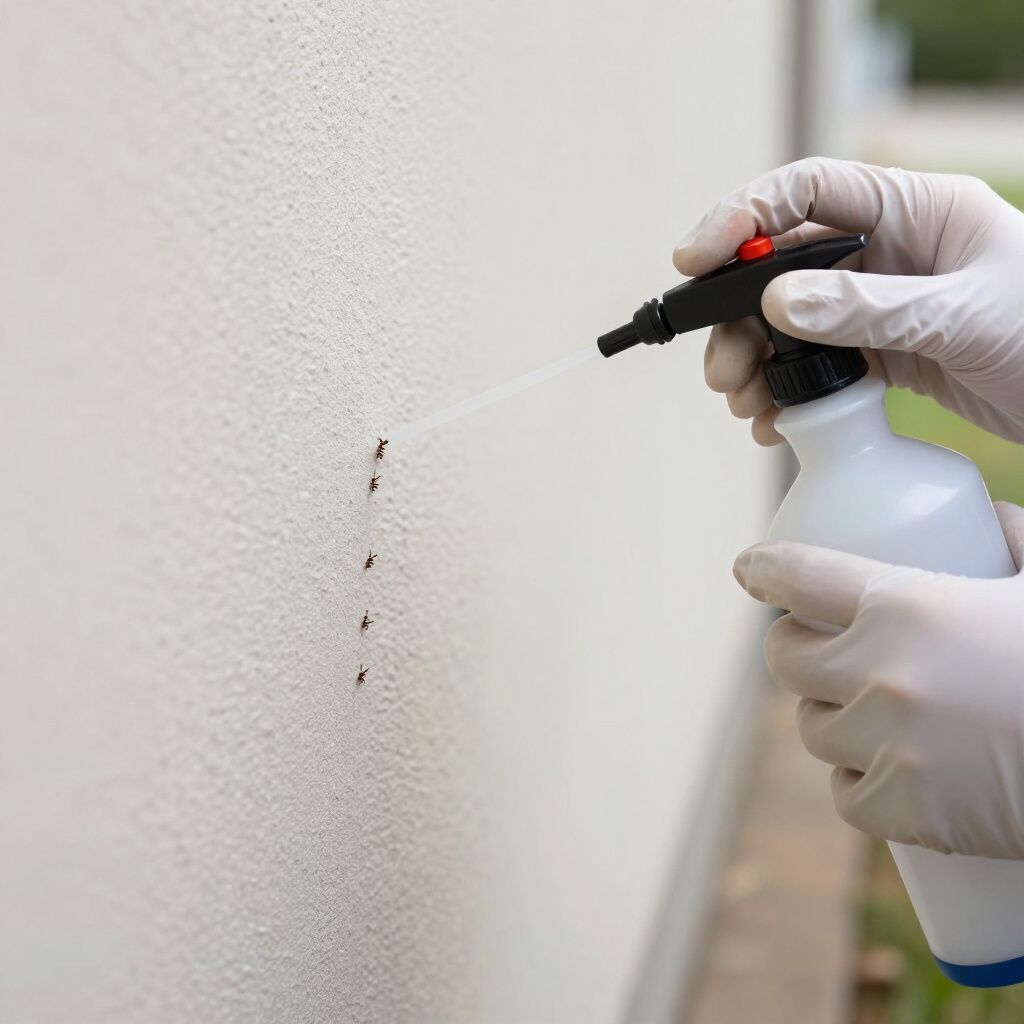
Moisture from the Puget Sound influence keeps humidity levels elevated through much of the year. This persistent dampness attracts moisture-dependent pests including carpenter ants, odorous house ants, sowbugs, and centipedes. Many Port Orchard homes, particularly those built during the 1940s-1970s near the waterfront or tucked into hillside lots, experience recurring ant issues as colonies establish satellite nests in wall voids, crawl spaces, and rotting wood.
Rat and mouse activity intensifies during fall and winter months when rodents seek shelter from cooling temperatures. Properties with blackberry thickets, compost bins, or proximity to undeveloped greenbelts face heightened risk. The Port Orchard Marina area and properties near the South Kitsap Regional Park corridor see consistent rodent movement between outdoor harborages and indoor structures.
Seasonal wasp and yellowjacket populations peak from July through September, with ground-nesting species particularly common in the rocky, glacial till soils found throughout the region. Spiders, including the invasive hobo spider and giant house spider, frequent basements, garages, and outbuildings year-round.
Effective pest management in Port Orchard requires understanding these localized patterns. Treatment approaches differ for waterfront condos near Bay Street compared to rural properties off Sedgwick Road or Southworth. Integrated pest management strategies that address moisture control, exterior entry points, and harborage reduction deliver longer-lasting results than chemical-only applications in this environment.
Frequently Asked Questions About Pest Control in Port Orchard
Why are carpenter ants so common in Port Orchard homes?
Carpenter ants flourish in western Washington's moist climate, and Port Orchard's wooded lots, mature trees, and abundant rainfall create perfect conditions. These ants don't eat wood but excavate galleries in damp or decaying timber to establish nests. Homes with roof leaks, clogged gutters, poor crawl space ventilation, or wood-to-soil contact provide attractive targets. Satellite colonies often form inside wall voids after parent colonies establish in nearby stumps or landscape timbers. Regular inspections and moisture management prove more effective than reactive treatments once extensive damage occurs.
How does proximity to the water affect pest problems in Port Orchard?
Waterfront and near-water properties experience distinct pest pressures. The moderating effect of Puget Sound keeps temperatures milder, extending active seasons for many insects. Higher humidity near shorelines accelerates wood decay, attracting carpenter ants and wood-boring beetles. Rodents utilize shoreline driftwood, docks, and boathouses as travel corridors. Seagulls and other birds create nesting and waste issues for marina-adjacent buildings. Specialized approaches for these properties emphasize rust-resistant hardware, elevated bait station placement, and exclusion techniques that account for tidal moisture exposure.
What should I expect during a pest control visit in Port Orchard?
A thorough service begins with exterior inspection identifying entry points, harborage areas, and conducive conditions specific to your property's terrain and construction. Technicians examine foundation vents, utility penetrations, door sweeps, and roofline gaps common in Northwest architecture. Interior assessment focuses on moisture-prone zones: crawl spaces, attics, kitchens, and bathrooms. Treatment typically combines targeted applications with mechanical controls—sealing gaps, trimming vegetation contact, addressing drainage issues, and installing monitoring devices. Follow-up scheduling accounts for Port Orchard's extended mild seasons, with more frequent monitoring during spring swarming periods and fall rodent migration.