
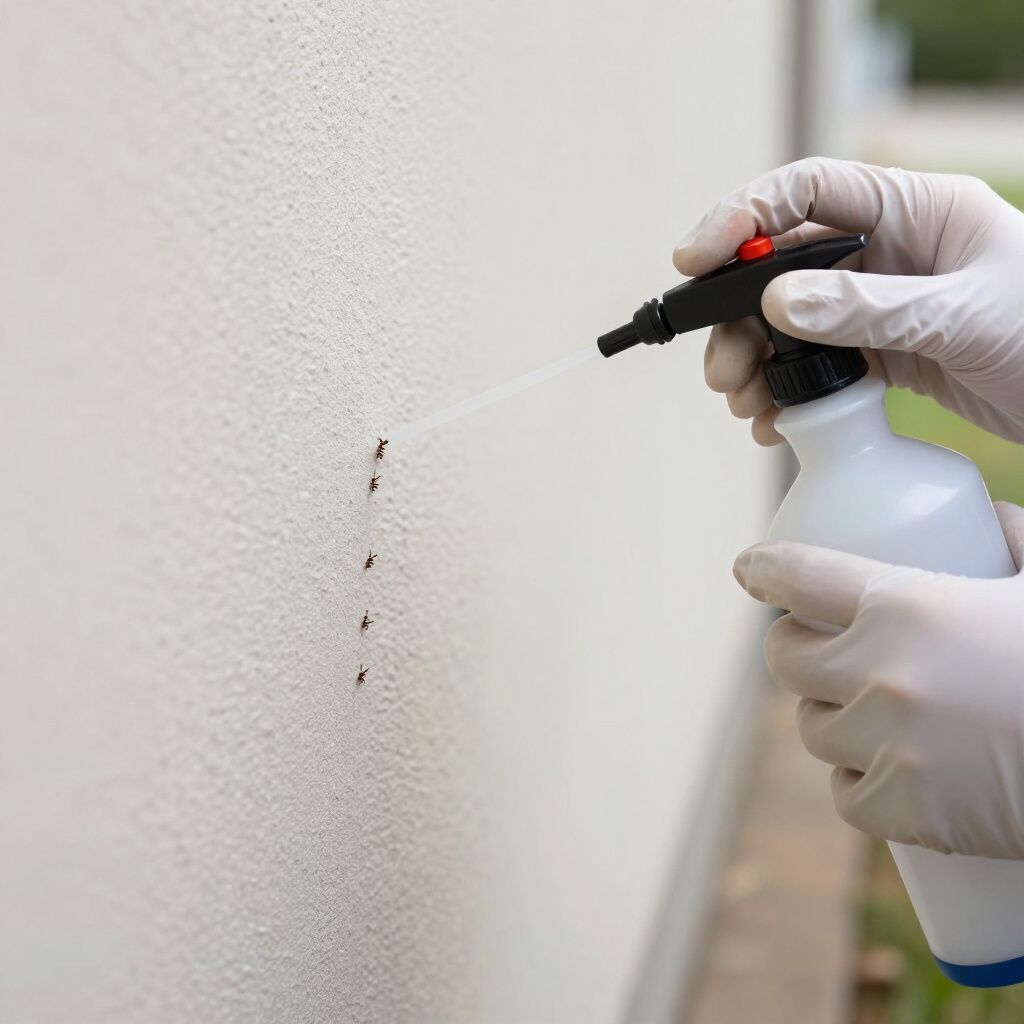

Pest Control Services in Snoqualmie, WA
Snoqualmie's stunning location between the Cascade foothills and the Snoqualmie River creates unique pest pressures for homeowners and businesses throughout King County. The area's dense forests, abundant rainfall, and mix of historic properties and new development provide ideal conditions for rodents, carpenter ants, moisture-loving pests, and occasional wildlife intrusions. Professional pest control tailored to Snoqualmie's mountain valley environment helps protect properties year-round.
Common Pest Challenges in Snoqualmie
The convergence of forested hillsides, river corridors, and residential neighborhoods in Snoqualmie means pests often move freely between natural and developed areas. Crawl spaces beneath homes frequently develop moisture issues that attract silverfish, centipedes, and sowbugs. Mice and rats exploit gaps in older foundations and seek shelter as temperatures drop, particularly in neighborhoods near the Snoqualmie Ridge and Meadowbrook areas.
Carpenter ants rank among the most destructive pests in Snoqualmie properties, establishing satellite colonies within damp or decaying wood. The region's heavy precipitation and mature tree canopy create perfect conditions for these wood-destroying insects. Subterranean termites, though less common than in warmer climates, require vigilance in structures with chronic moisture problems.
Stinging insects present seasonal concerns, with yellow jackets and paper wasps building nests in eaves, attics, and outbuildings. Snoqualmie's outdoor recreation culture means residents frequently encounter these pests during summer months. Spider populations, including the nuisance hobo spider, thrive in basements, garages, and undisturbed storage areas throughout the valley.
Seasonal Pest Activity Patterns
Spring brings ant swarms and increased rodent reproduction as snowmelt saturates the ground. Carpenter ants become particularly active during warm, humid periods from April through June. Summer months see peak wasp and hornet activity, along with occasional bat encounters in attics and wall voids. Fall triggers rodent migration indoors as nighttime temperatures plummet in the foothills. Winter pest control focuses on monitoring and exclusion, with particular attention to crawl space moisture management that sustains pest populations year-round.
Integrated Pest Management for Snoqualmie Properties
Effective pest control in Snoqualmie emphasizes exclusion and environmental modification alongside targeted treatments. Sealing foundation penetrations, improving crawl space ventilation, and managing vegetation contact with structures reduce pest access points. Moisture control remains critical—dehumidification, proper drainage, and prompt repair of leaks eliminate conditions that sustain carpenter ants, silverfish, and other moisture-dependent pests.
Professional services typically include thorough inspections identifying pest species, entry points, and conducive conditions. Treatment plans address immediate infestations while implementing preventive measures suited to each property's construction, landscaping, and location within Snoqualmie's varied terrain.
Frequently Asked Questions About Pest Control in Snoqualmie
Why are carpenter ants so prevalent in Snoqualmie homes?
Snoqualmie's heavy rainfall, mature forests, and prevalence of wood-framed homes with crawl spaces create ideal carpenter ant habitat. These ants require moist, decaying wood to establish colonies, and the area's climate consistently provides these conditions. Homes with inadequate ventilation, wood-soil contact, or lingering moisture issues from the wet season face elevated risk. Regular inspections and moisture management form the cornerstone of prevention.
How does Snoqualmie's proximity to wilderness affect pest pressures?
Properties bordering forested areas, the Snoqualmie River corridor, or greenbelts experience higher wildlife and insect activity. Raccoons, opossums, and occasional coyotes may investigate garbage and pet food. Rodents follow natural pathways into structures. Spiders and ground-dwelling insects migrate from leaf litter and decaying vegetation. While these surroundings enhance quality of life, they necessitate more vigilant exclusion practices and regular perimeter treatments.
What should Snoqualmie residents know about crawl space pest issues?
Crawl spaces in Snoqualmie commonly harbor silverfish, centipedes, spiders, and rodents due to persistent moisture and limited airflow. Vapor barriers, proper ventilation, and sump pumps where needed dramatically reduce pest suitability. Without intervention, crawl space pests migrate into living areas through floor penetrations. Annual inspections identify developing problems before extensive damage or indoor infestations occur.
Are there specific wasp concerns for Snoqualmie homeowners?
Yellow jackets nest underground and in wall voids, creating hazards for families and pets—particularly in yards with abundant flowering vegetation or outdoor dining. European paper wasps construct exposed nests under eaves and deck structures. Snoqualmie's warm summer afternoons peak stinging insect activity. Nest removal requires professional handling, especially for concealed colonies, to avoid aggressive defensive behavior and repeated stings.
How often should Snoqualmie properties receive professional pest service?
Most Snoqualmie homes benefit from quarterly service to address seasonal pest transitions, with more frequent visits during active infestations. Properties near heavy forestation, with chronic moisture issues, or experiencing recurring rodent problems may require monthly attention initially. Ongoing maintenance programs typically include exterior perimeter treatments, rodent monitoring, and seasonal adjustments responding to weather patterns and pest pressure changes.